Posts

CO2 Capture: Germany’s Untapped Potential

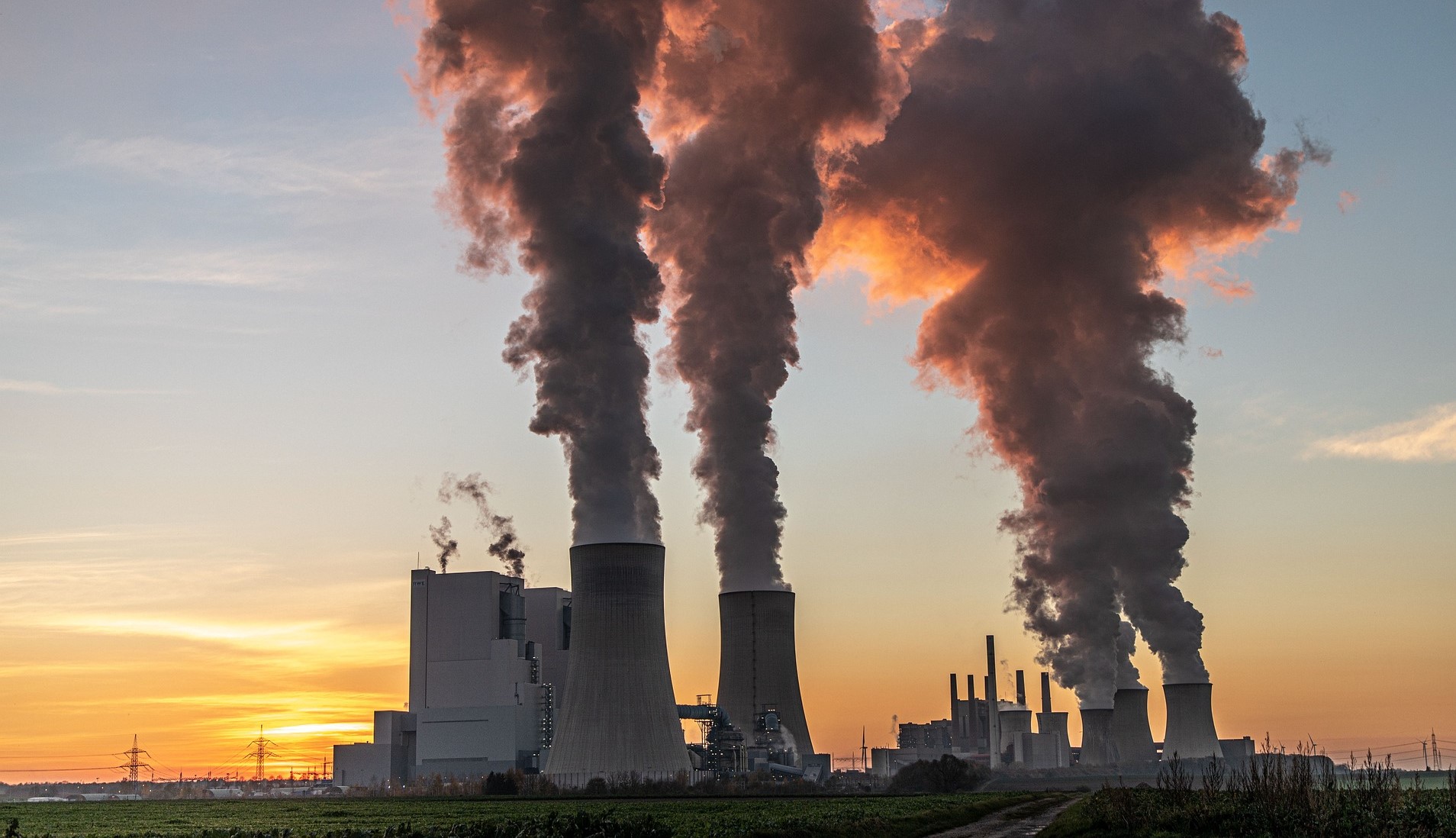
Are there alternatives to electromobility and CO2 reduction? “Yes!” is Prof. Radermacher’s clear answer. “The problem is that combustion processes release CO2 into the atmosphere. So, the question is: Can we prevent this?”

To achieve this, we need to capture CO2 where it’s emitted, such as at coal power plants and cement factories. The greenhouse gas can then be used to produce e-fuels or pumped into depleted oil and gas fields.

Germany has so far given little thought to this method. The situation is different in North America and Norway, where this process – known as Carbon Capture Utilization and Storage (CCUS) – has been in use for 30 years.

Learn more about this topic in the article by Austrian magazine “ÖAMTC” and in the podcast with Prof. Radermacher. Please scroll directly to episode 31.

Image source Catazul (Pixabay)

New Podcast with Prof. Radermacher: Global Energy Solutions for the Climate

In a new episode of Think & Do – the podcast magazine of the Stifterverband – Prof. Franz Josef Radermacher shares his insights on several fundamental issues, including basic rights and the pandemic, climate protection and power, and affordable energy prosperity.

Over the past two years, the pandemic has dominated public discourse. According to Prof. Radermacher, there have been both winners and losers of the crisis, depending largely on an individual’s stage of life and financial situation. “What I missed most throughout the process was freedom,” he summarizes his criticism. He also reflects on the role of science during the pandemic and how public communication was influenced by what people wanted to hear.

Another major topic discussed is the German federal election on September 26, 2021, in which climate protection has played an unprecedented role. Yet, Prof. Radermacher takes a critical view: to truly understand sustainability and climate issues, one must look back to the 1972 World Environmental Conference in Stockholm. That was when an unresolvable tension between wealthy and developing nations first became evident – raising the key question: “Is there a way for people in poorer countries to achieve a decent level of prosperity while we still preserve biodiversity, protect the environment, and maintain a stable climate?”

Later in the podcast, Prof. Radermacher examines Germany’s climate and energy policy, emphasizing the need for international cooperation rather than insisting on producing domestically what could be achieved more efficiently and affordably abroad.

The podcast is divided into 13 thematic segments, which can be listened to individually or as a complete episode. You can access the full podcast and transcript here.

Image source: Free-Photos (Pixabay)

New Podcast: Climate Protection with Nature-Based Solutions

Prof. Dr. Estelle Herlyn discusses in a new podcast with Eva van der Want from South Pole the concept of Nature-Based Solutions (NbS), their role in climate protection, and the potential they hold.

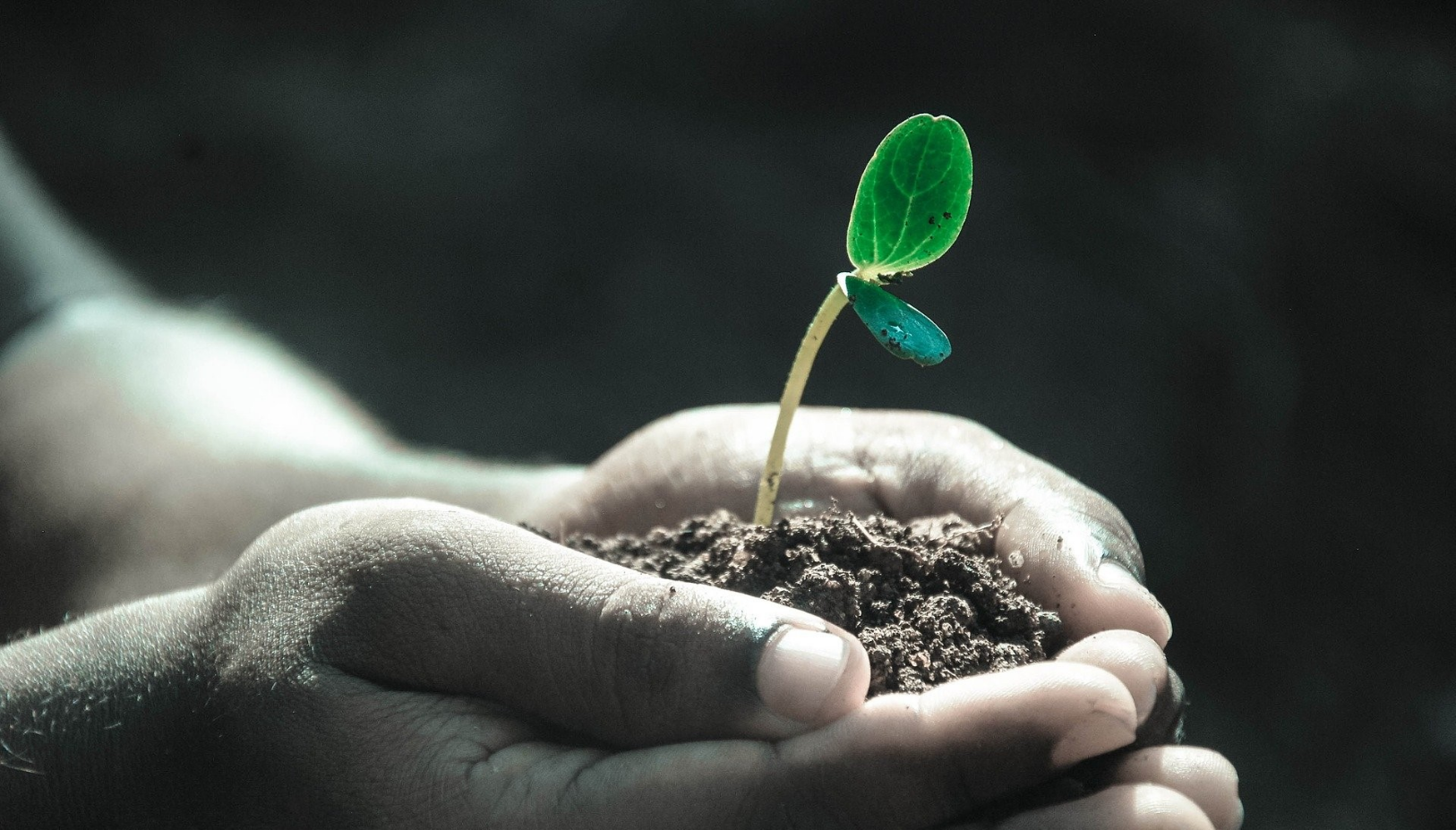
Nature-Based Solutions use the fact that nature is a natural carbon sink. An important component is reforestation, which helps capture CO₂, as well as the preservation of existing rainforests. Currently, however, the trend is unfortunately the opposite: forests are being cleared, which emits more CO₂ than they absorb. Immediate action is needed. Nature-Based Solutions are not only valuable for the climate – they also generate jobs, infrastructure, and food security, contributing to positive economic development.

In addition to Nature-Based Solutions, there are also so-called insetting projects. These involve companies examining their own supply chains to identify opportunities to reduce CO₂ emissions and advance climate protection. Companies in the food industry often turn to Nature-Based Solutions because they work closely with agriculture and can leverage these partnerships.

The potential of Nature-Based Solutions for carbon sequestration is estimated by various sources, as well as by Prof. Radermacher in his book “Der Milliarden Joker”, at around 10 billion tons of CO₂ per year – approximately one-fifth of global annual emissions.

The full podcast, covering additional topics such as financing Nature-Based Solutions, can be found here. Den kompletten Podcast zu weiteren Themen wie der Finanzierung der Nature-based Solutions finden Sie hier.

Image source: Pexels (Pixabay)

Prof. Herlyn in the SDG Sustainability Breakfast Podcast

New Podcast: At the end of January 2021, Prof. Dr. Estelle Herlyn met with IUFE Managing Director Florian Leregger (Austria) for the SDG Sustainability Breakfast.

Their conversation focused on the 2030 Agenda as a “magical polygon of sustainability” and touched on topics such as climate protection, development, technology, and digitalization. Estelle Herlyn also explained her personal motivation for engaging in sustainability efforts and discussed the Alliance for Development and Climate.

Prof. Dr. Estelle Herlyn has been working as a freelance researcher for the Research Institute for Applied Knowledge Processing (FAW/n) since 2012. In this role, she is particularly responsible for research projects conducted in cooperation with politics and business.

You can listen to the podcast here:

Image source: © Prof. Dr. Estelle Herlyn

Prof. Radermacher in the Cyber Podcast

Artificial intelligence has now found its way into many areas of our lives. In the Cyber Podcast by the agencies Storymaker and DESIGN HOCH DREI, the topic is examined and discussed in greater depth in the context of communication and ethics.

The latest episode features an interview with Prof. Dr. Dr. Dr. h.c. Franz Josef Radermacher on the topics of “Emotions and trust in communication, and the differences between humans and machines.”

You can listen to the podcast here:

Image source: geralt (Pixabay)

Kompass (Joshua Woroniecki (Pixabay))

Prof. Radermacher and Prof. Herlyn in the “Future of Leadership” Podcast

In three episodes of the Future of Leadership Initiative podcast, Prof. Dr. Dr. Dr. h.c. Franz Josef Radermacher and Prof. Dr. Estelle Herlyn discuss the impact of COVID-19 on society and politics, the measures taken by the German federal government, the role of big data in democratic societies, the effects of climate change on organizations and society, the question of responsible business practices, and the Development and Climate Alliance of the Federal Ministry for Economic Cooperation and Development

You can listen to the podcasts here:

Image source: Joshua Woroniecki (Pixabay)