
Productivity Growth through Digital Progress?

The article by Prof. Radermacher, published in Inclusive Productivity, deals with the core of progress. As the title “We need progress in the physical world – not more storage space in the data realm” already suggests, Prof. Radermacher addresses the differences between productivity in the physical and the digital sense

Major leaps in productivity have been achieved through groundbreaking inventions in the fields of electric supply, the automobile industry, and aviation. A great deal has also changed and developed in the IT sector in recent years. Nevertheless, this has not led to the same significant increases in productivity as the aforementioned inventions once did.

In his article, the professor explains that the likely reason for this lies in the redistribution that comes with new technologies. When new inventions cause one company’s business to be taken over by another, this does not increase overall productivity – the same or similar work is simply carried out by someone else.

Another consequence of digitalization is the increase in bureaucratic, transparency, and documentation requirements. Many people do not even read the documents they are asked to sign – either because the content is too complex or because it would take too much time. According to Prof. Radermacher, this additional bureaucracy is “often not value-creating, but rather value-destroying.”

Further on, the professor emphasizes that we must use resources more wisely. Humanity must also not underestimate the “problems of a full world.” Finally, Prof. Radermacher outlines which kinds of progress in the physical world would be necessary to achieve productivity gains comparable to those of the past.

You can find the full article here.

Image source: Simedblack (pixabay)
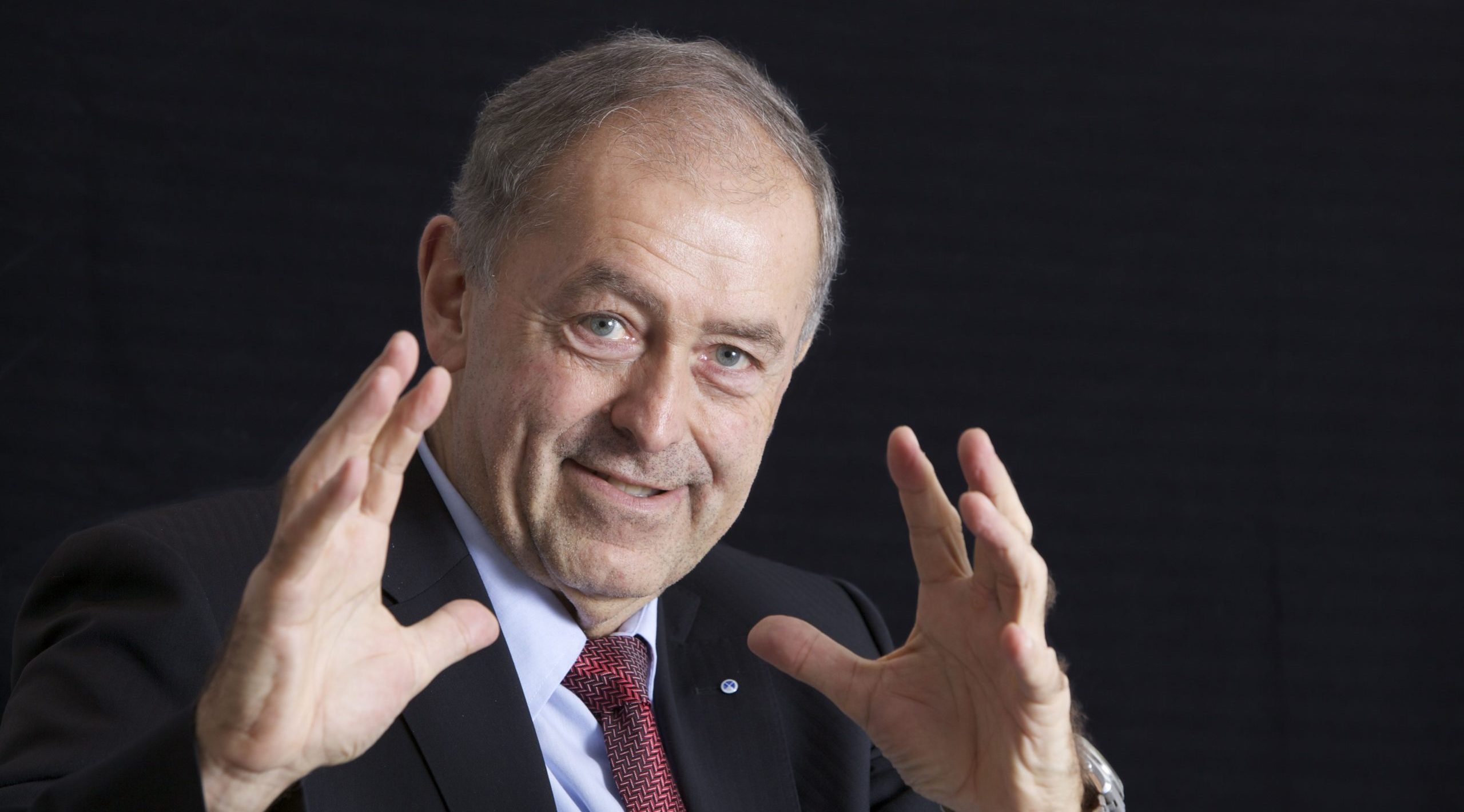
Prof. Radermacher Elected Honorary President of the Senate of Economy

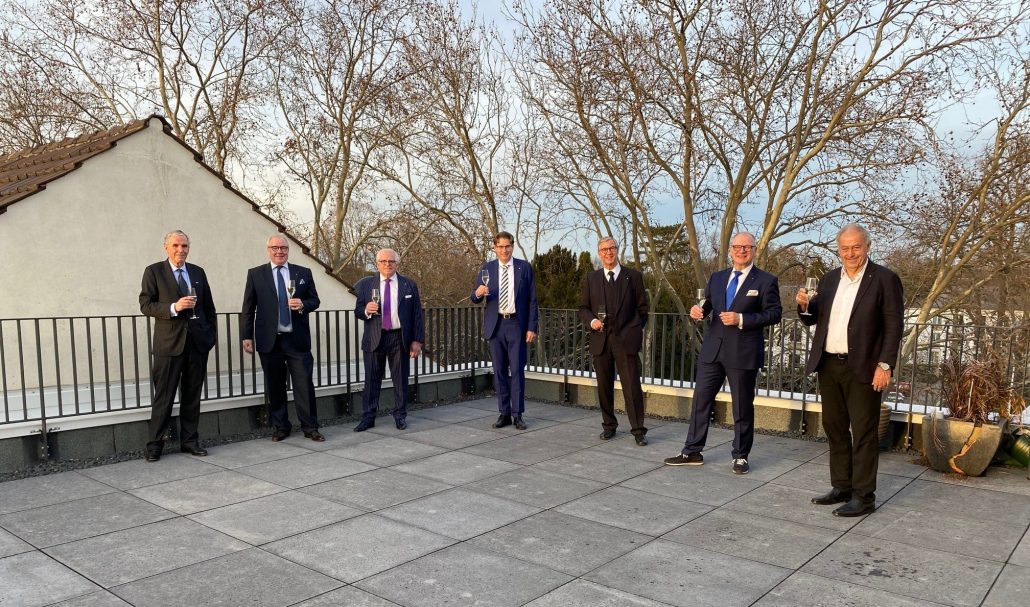
After eleven years serving as President of the Senate of Economy, Prof. Dr. Dr. Dr. h.c. Radermacher did not stand for re-election to this position and was elected Honorary President with a large majority during a digital members’ assembly on February 19, 2021. In addition, Prof. Radermacher continues to serve as Vice President on the Executive Board of the Senate e.V.

The Senate of Economy Germany e.V. and the Senate of Economy Foundation currently include more than 900 leading figures from various sectors of society – among them representatives from business, science, and culture as well as politics, diplomacy, and public life. The Senate is entirely oriented toward the common good and does not represent the individual interests of companies or industries.

The goal of the Senate is to develop solutions for the major challenges of our time. These include promoting an eco-social market economy on both national and international levels, with a focus on ecological sustainability, as well as supporting Germany as a business location. Over the past years, many of the Senate’s initiatives have been taken up by parliaments and governments and translated into real policy.

During his presidency, Prof. Radermacher played a decisive role in shaping the goals of the Senate. Through discussions and events with government officials, leading politicians, and scientists, he represented the interests of both the Senate and the FAW/n. In appreciation of his work, a video clip was created highlighting some of the most memorable moments from his presidency

The Senate of Economy Foundation for Common Good–Oriented Policy is one of the founding donors of the FAW/n. Through this generous support, the institute’s research work is made possible

Further information:

Website of the Senate of Economy

Image source: © Thomas Klink / T. Klink – Fotografie, Senat der Wirtschaft

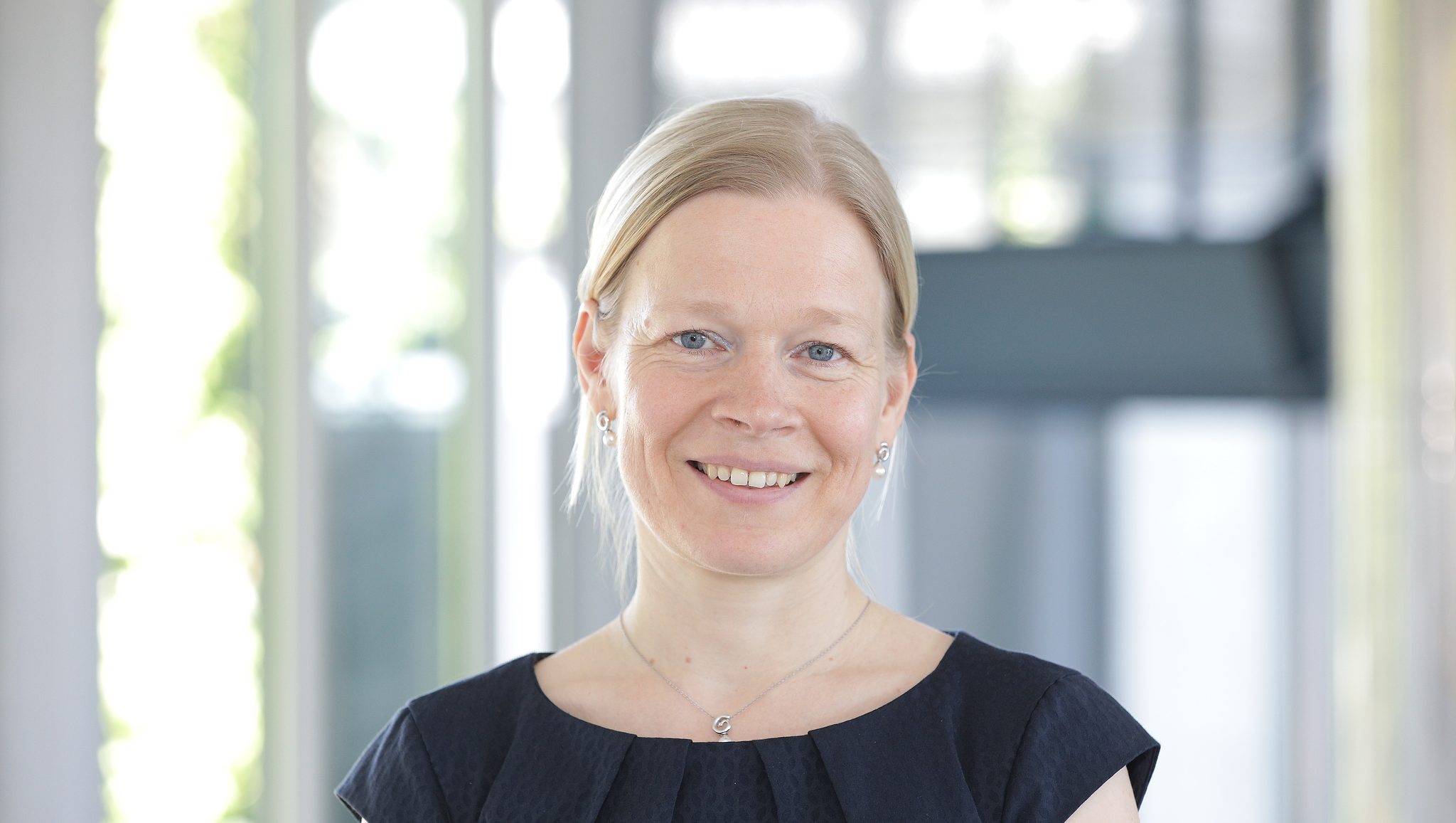
Prof. Herlyn in the SDG Sustainability Breakfast Podcast

New Podcast: At the end of January 2021, Prof. Dr. Estelle Herlyn met with IUFE Managing Director Florian Leregger (Austria) for the SDG Sustainability Breakfast.

Their conversation focused on the 2030 Agenda as a “magical polygon of sustainability” and touched on topics such as climate protection, development, technology, and digitalization. Estelle Herlyn also explained her personal motivation for engaging in sustainability efforts and discussed the Alliance for Development and Climate.

Prof. Dr. Estelle Herlyn has been working as a freelance researcher for the Research Institute for Applied Knowledge Processing (FAW/n) since 2012. In this role, she is particularly responsible for research projects conducted in cooperation with politics and business.

You can listen to the podcast here:

Image source: © Prof. Dr. Estelle Herlyn