Posts

Soroptimists Take a Stand for Sustainable Development

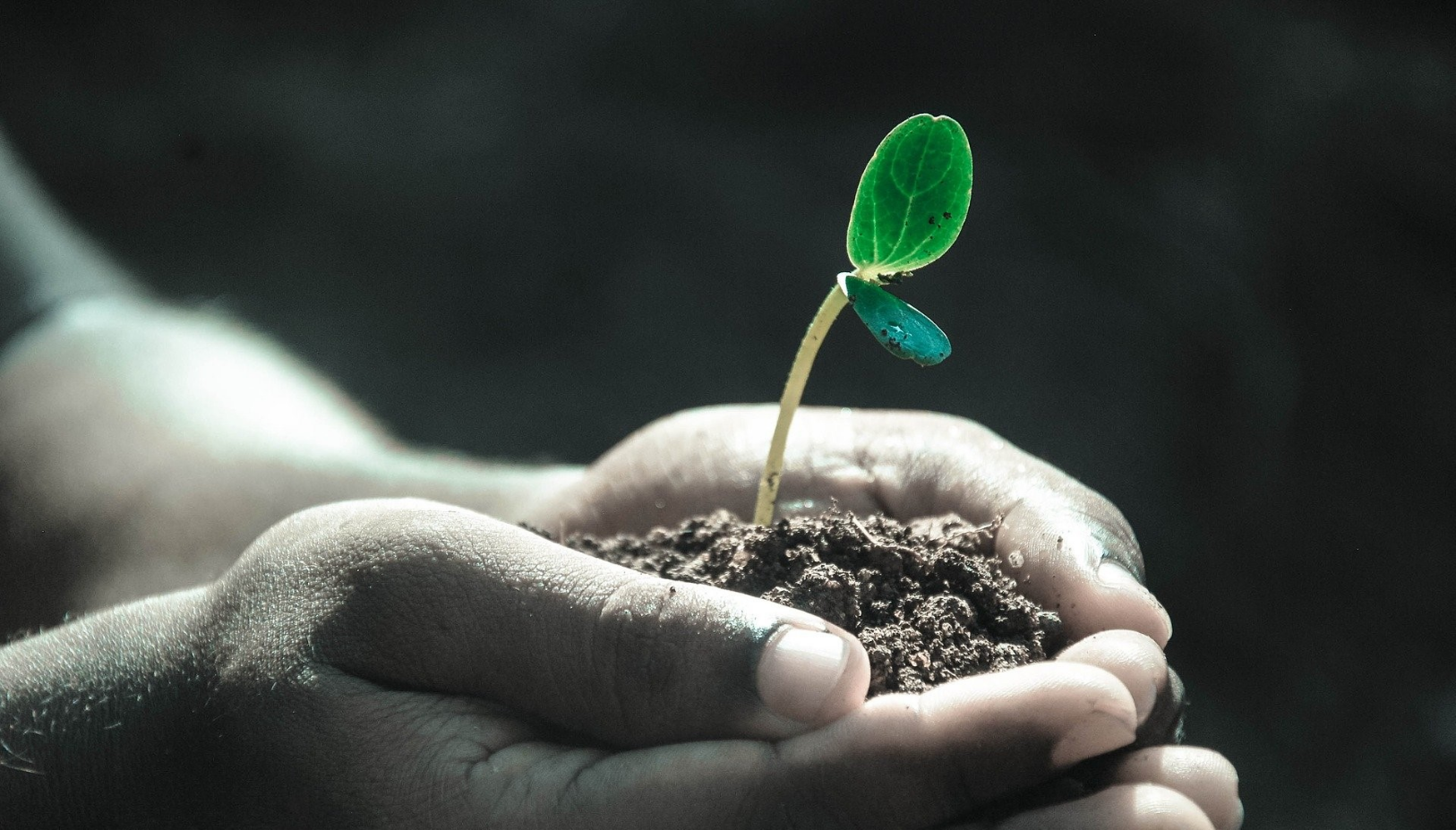
To mark the 100th anniversary of Soroptimist International, the service organization of professional women is placing the UN Sustainable Development Goals (SDGs) at the center of its activities. The anniversary campaign, “Plant Trees”, which aims to plant trees and promote global tree sponsorships, ties back to the organization’s very first project. In 1921, the founders worked to protect centuries-old redwood trees.

Today, Soroptimist International has around 70,000 members in more than 100 countries. The organization’s core areas of focus include human rights, gender equality, peaceful coexistence, and environmental protection. Reflecting these values, Dr. Renate Tewaag, President of Soroptimist International Germany, emphasized during a press conference: “The pandemic and the climate crisis are a wake-up call to persistently and collectively preserve livable prospects for future generations.”

To actively contribute to international climate protection, several SI clubs are already supporting the Alliance for Development and Climate. Prof. Herlyn, senior researcher at FAW/n and member of the SI Club Meerbusch, has long advocated for this step within the organization. In the previous year, the Meerbusch club became the first SI club in Germany to achieve climate neutrality through development-promoting climate projects in Myanmar. In a recently published issue of the Soroptimist International Germany bulletin, Prof. Herlyn authored an article highlighting Soroptimist International’s commitment to sustainability and its fight against climate change.

You can find the complete bulletin here.

Image source: SI-Club Braunschweig

Prof. Herlyn: “The World Needs Many More Companies Like ALDI SÜD”

Recently, the media reported that four companies, including ALDI SÜD, had allegedly used the term “climate neutrality” in a misleading way. These reports are based on a complaint filed by the German Centre for Protection against Unfair Competition (Wettbewerbszentrale).

Prof. Dr. Estelle Herlyn addresses this issue in her article in UmweltDialog and clarifies what climate neutrality actually means: “CO₂ emissions that are generated can be offset or compensated by taking or enabling activities that, for example, remove CO₂ from the atmosphere through reforestation (negative emissions) or avoid CO₂ emissions by promoting renewable energy.”

She considers it incomprehensible that the Competition Center portrays achieving climate neutrality through CO₂ compensation as misleading. ALDI SÜD supports numerous international projects with positive climate impact and recognizes that this is the only way to make global sustainable development achievable. The company is also one of over 1,000 supporters of the Alliance for Development and Climate, whose projects demonstrably contribute to international climate protection

Den gesamten Beitrag von Prof. Herlyn finden Sie hier auf deutsch und auf englisch. You can find the full article by Prof. Herlyn here in German and English.

Image source: Alexas_Fotos (Pixabay)

New Podcast: Climate Protection with Nature-Based Solutions

Prof. Dr. Estelle Herlyn discusses in a new podcast with Eva van der Want from South Pole the concept of Nature-Based Solutions (NbS), their role in climate protection, and the potential they hold.

Nature-Based Solutions use the fact that nature is a natural carbon sink. An important component is reforestation, which helps capture CO₂, as well as the preservation of existing rainforests. Currently, however, the trend is unfortunately the opposite: forests are being cleared, which emits more CO₂ than they absorb. Immediate action is needed. Nature-Based Solutions are not only valuable for the climate – they also generate jobs, infrastructure, and food security, contributing to positive economic development.

In addition to Nature-Based Solutions, there are also so-called insetting projects. These involve companies examining their own supply chains to identify opportunities to reduce CO₂ emissions and advance climate protection. Companies in the food industry often turn to Nature-Based Solutions because they work closely with agriculture and can leverage these partnerships.

The potential of Nature-Based Solutions for carbon sequestration is estimated by various sources, as well as by Prof. Radermacher in his book “Der Milliarden Joker”, at around 10 billion tons of CO₂ per year – approximately one-fifth of global annual emissions.

The full podcast, covering additional topics such as financing Nature-Based Solutions, can be found here. Den kompletten Podcast zu weiteren Themen wie der Finanzierung der Nature-based Solutions finden Sie hier.

Image source: Pexels (Pixabay)