Posts

Ambassador Academy 2020 Kiel

Ambassadors for Development and Climate Protection Gaining Momentum

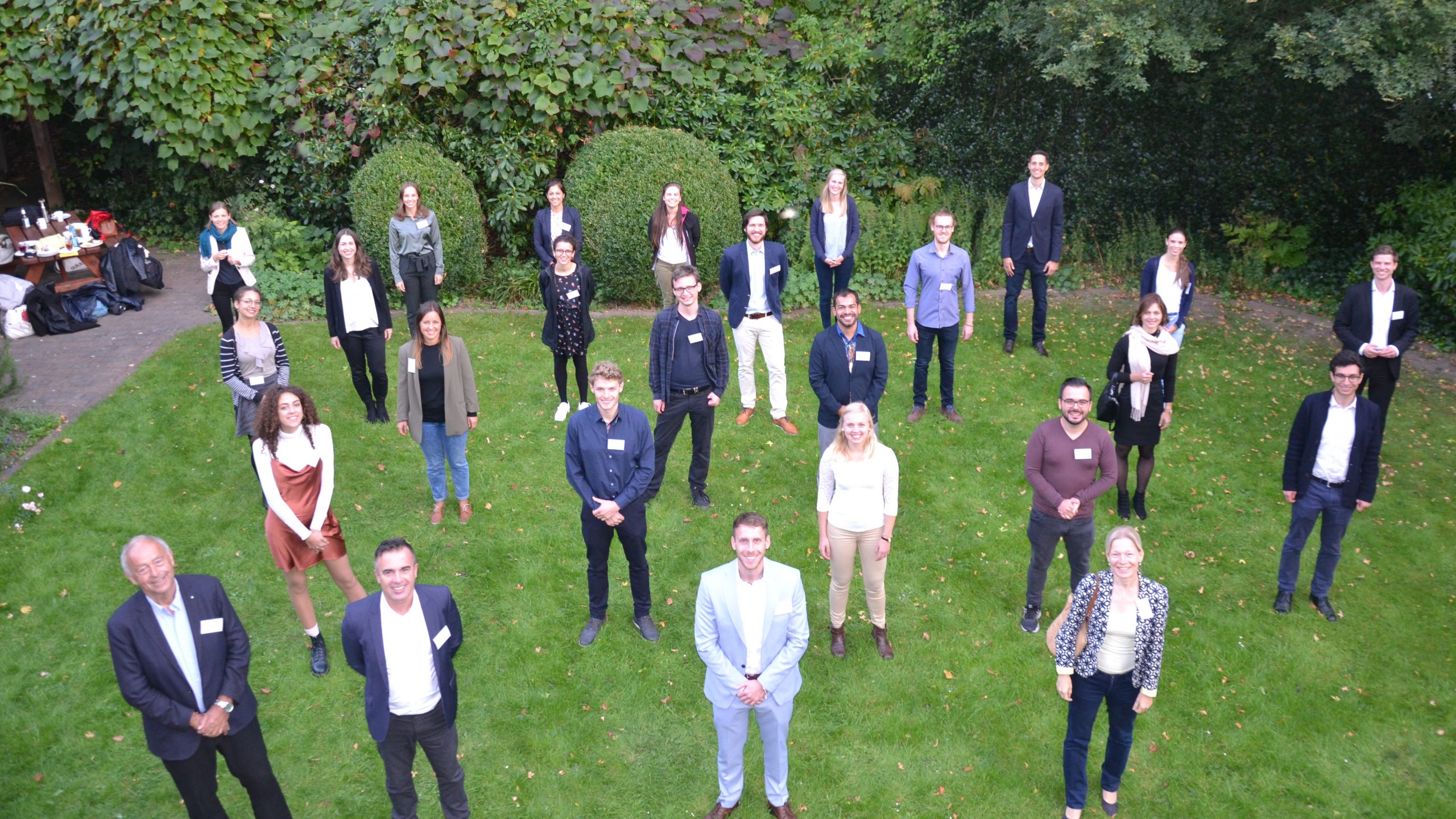
From September 24–26, 2020, committed students and young professionals from various disciplines met in Kiel to learn how they can promote sustainable development and global climate protection. At the second “Ambassador Academy – Development, Climate and Population” the focus was on the topics of the Alliance for Development and Climate initiated by the Federal Ministry for Economic Cooperation and Development (BMZ). The Academy was organized and conducted by the Hermann Ehlers Foundation in cooperation with the Institute for Applied Knowledge Processing/n (FAW/n) in Ulm.
Ambassador Academy 2020 Kiel

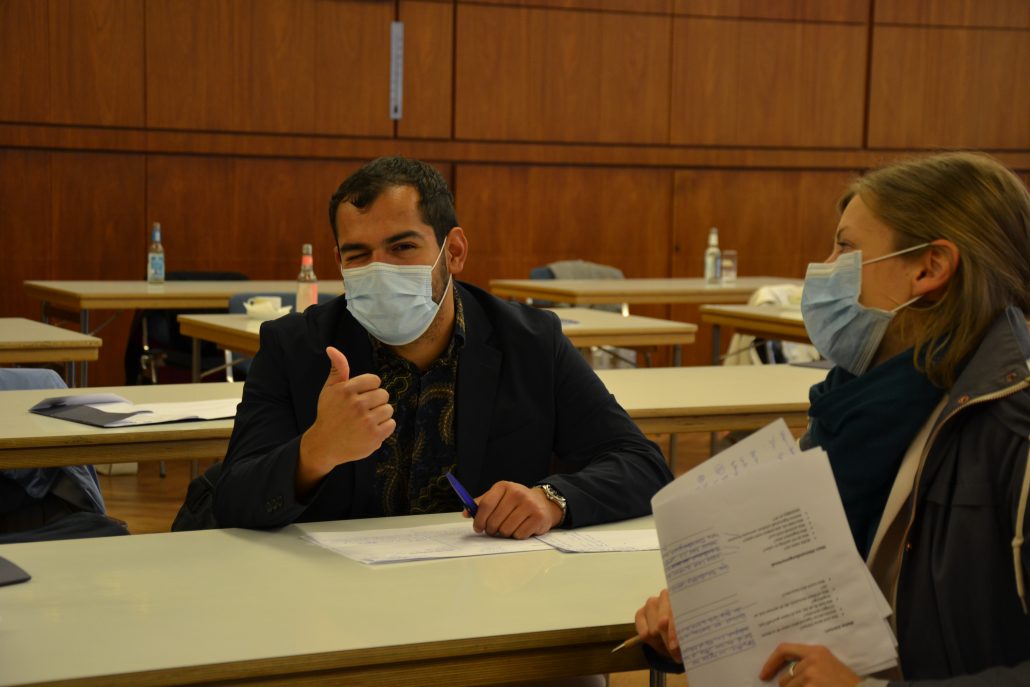
A total of 21 participants from all over Germany — ranging from students of various disciplines to young professionals — came together in Kiel, adhering strictly to COVID-19 safety regulations. Over the weekend, they discussed with leading experts the key interrelations, interactions, conflicts, and contradictions at the intersection of international climate protection and global sustainable development.

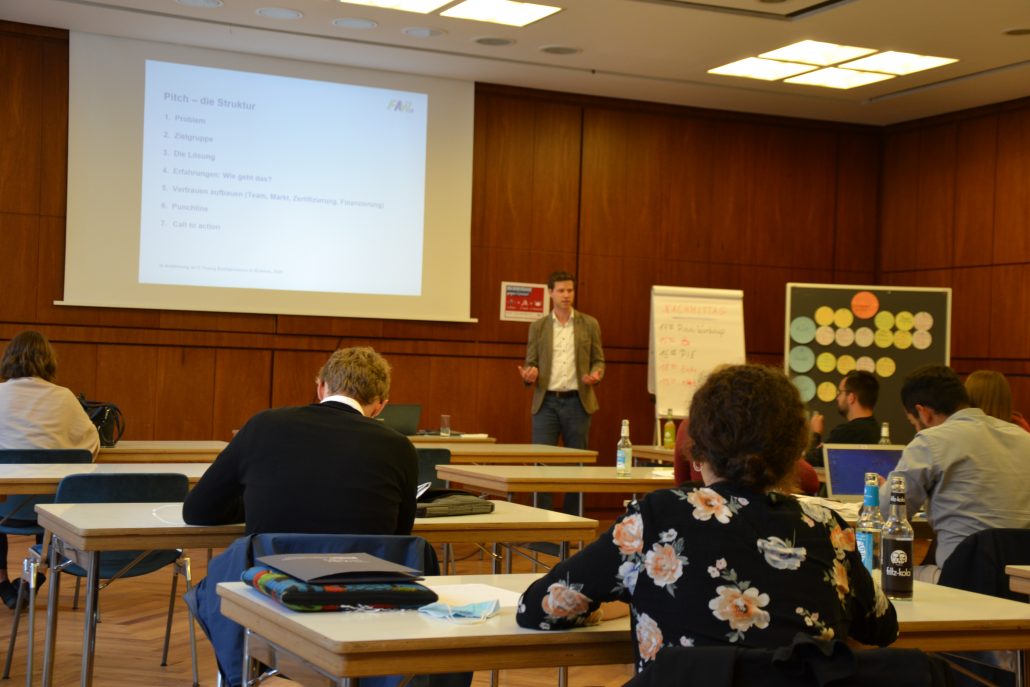
After months of preparation, the participants also took part in practical workshops on effective argumentation, public speaking, and debating to learn how to inspire companies, policymakers, and societal actors to take meaningful action.

The goal of the program is to train selected participants to become ambassadors for the multi-stakeholder initiative “Alliance for Development and Climate“.

Founded in 2018 at the initiative of Federal Development Minister Dr. Gerd Müller, the Alliance promotes non-governmental engagement in support of the United Nations Sustainable Development Goals (SDGs) and the Paris Climate Agreement. It focuses on climate protection projects in non-industrialized countries, which contribute both to improving the global climate balance and to local economic and social development. The Alliance’s supporters aim to achieve climate neutrality or even climate positivity in the long term. The trained ambassadors advocate for the Alliance’s goals through lectures, presentations, and discussions, and help raise awareness of its approach.
Ambassador Academy 2020 Kiel

The weekend in Kiel formed the core of the Academy’s training program, which also included a preparatory phase with 12 online workshops and a follow-up phase consisting of three post-event meetings. Participants had been selected through a nationwide application process.

You can watch the 2020 Ambassador Academy Aftermovie on YouTube.

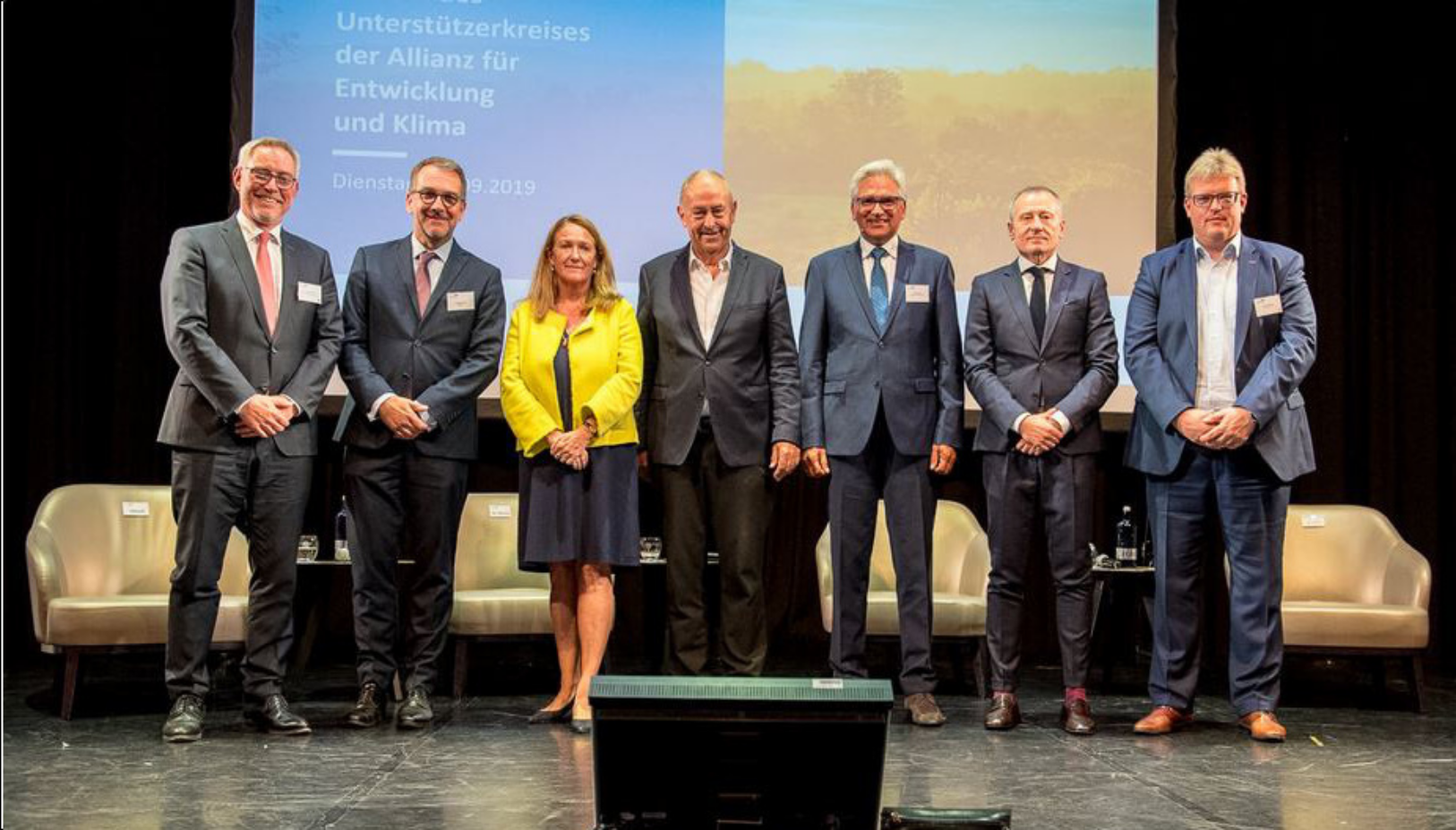
The evening event on September 24, 2020, featuring Prof. Dr. Dr. Dr. h.c. Franz Josef Radermacher, Prof. Dr. Estelle Herlyn, Prof. Dr. Martin Visbeck (GEOMAR Kiel), Michael Maass (Kühne + Nagel), and Christopher Politano (South Pole), is also available on YouTube.

Image source: © Hermann Ehlers Stiftung
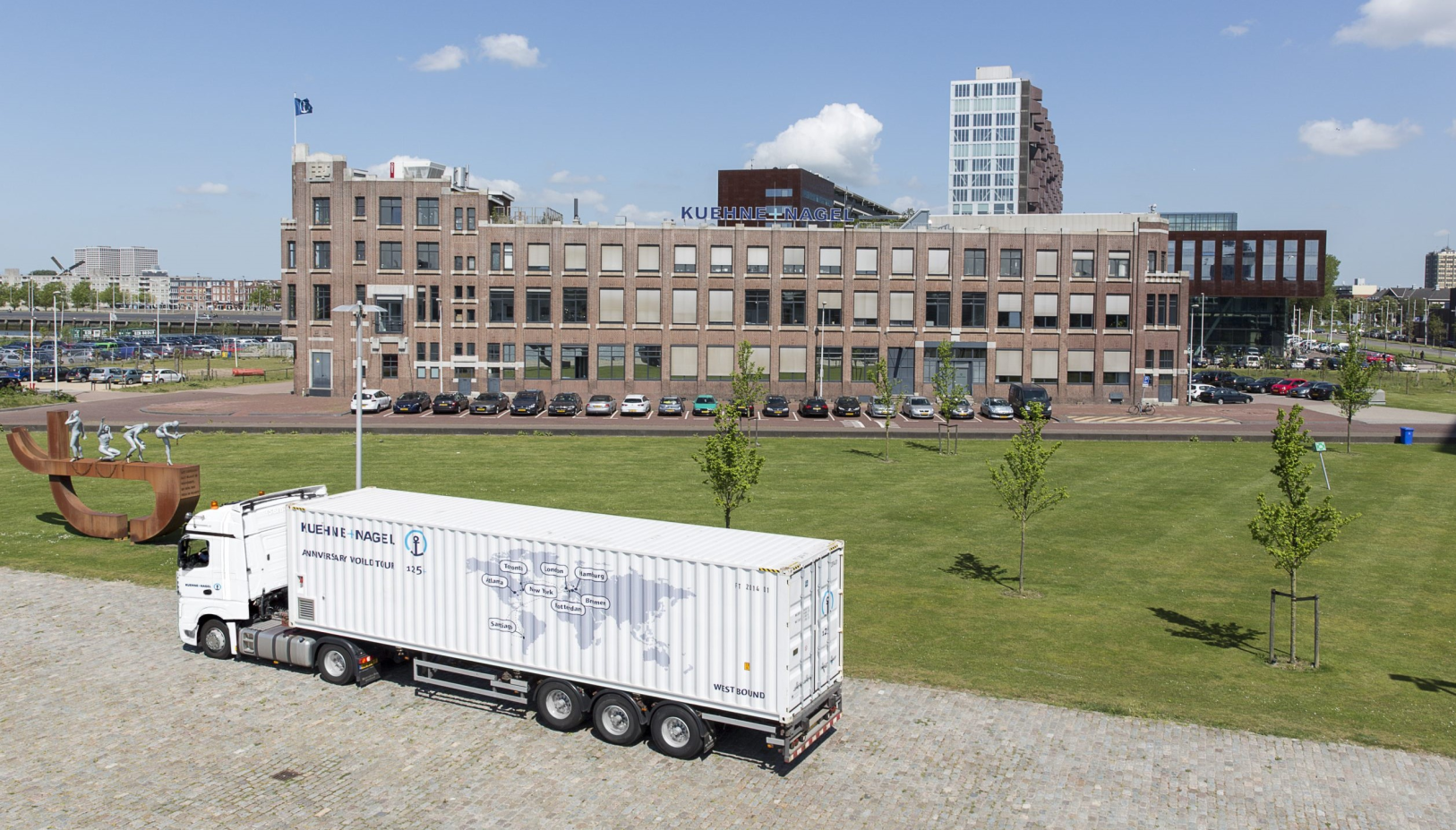
Kühne + Nagel Becomes the First Logistics Company to Join the Alliance for Development and Climate

Kühne + Nagel aims to intensify its environmental protection efforts and will become the first logistics service provider to join the Alliance for Development and Climate, thereby assuming a pioneering role in the sector.

The Alliance was launched in 2018 by the Federal Ministry for Economic Cooperation and Development (BMZ), the German Agency for International Cooperation (GIZ), and FAW/n. Its goal is to link development cooperation and climate protection through the mechanism of voluntary greenhouse gas offsetting. In addition, the initiative helps finance high-quality, certified development and climate protection projects in developing and emerging countries. Details of the Alliance’s work over the past year can be found in the 2019 Annual Report.

The entry of a global logistics leader into the Alliance marks a milestone for climate-neutral logistics. Federal Minister Dr. Gerd Müller commented: “Climate change has long become a question of humanity’s survival. Industrialized nations, in particular, bear a special responsibility. It’s not only governments that must take action – the private sector must also play its part. With the Alliance for Development and Climate, we have created a platform for this purpose. I am very pleased that Kühne + Nagel, one of the world’s leading logistics companies, is joining the Alliance. This is a major step forward and shows that climate protection and business operations can go hand in hand”.

Kühne + Nagel not only intends to offset its own unavoidable CO₂ emissions from 2020 onward, but also plans to make all supplier transport operations within its network – including airlines, shipping lines, and road carriers – CO₂-neutral by 2030. It will be well worth following the progress of these ambitious efforts.

Further information:

Website of Kühne + Nagel

Image source: WSanda, CC BY-SA 4.0, via Wikimedia Commons

Globalization Expert Receives the Abt Jerusalem Prize

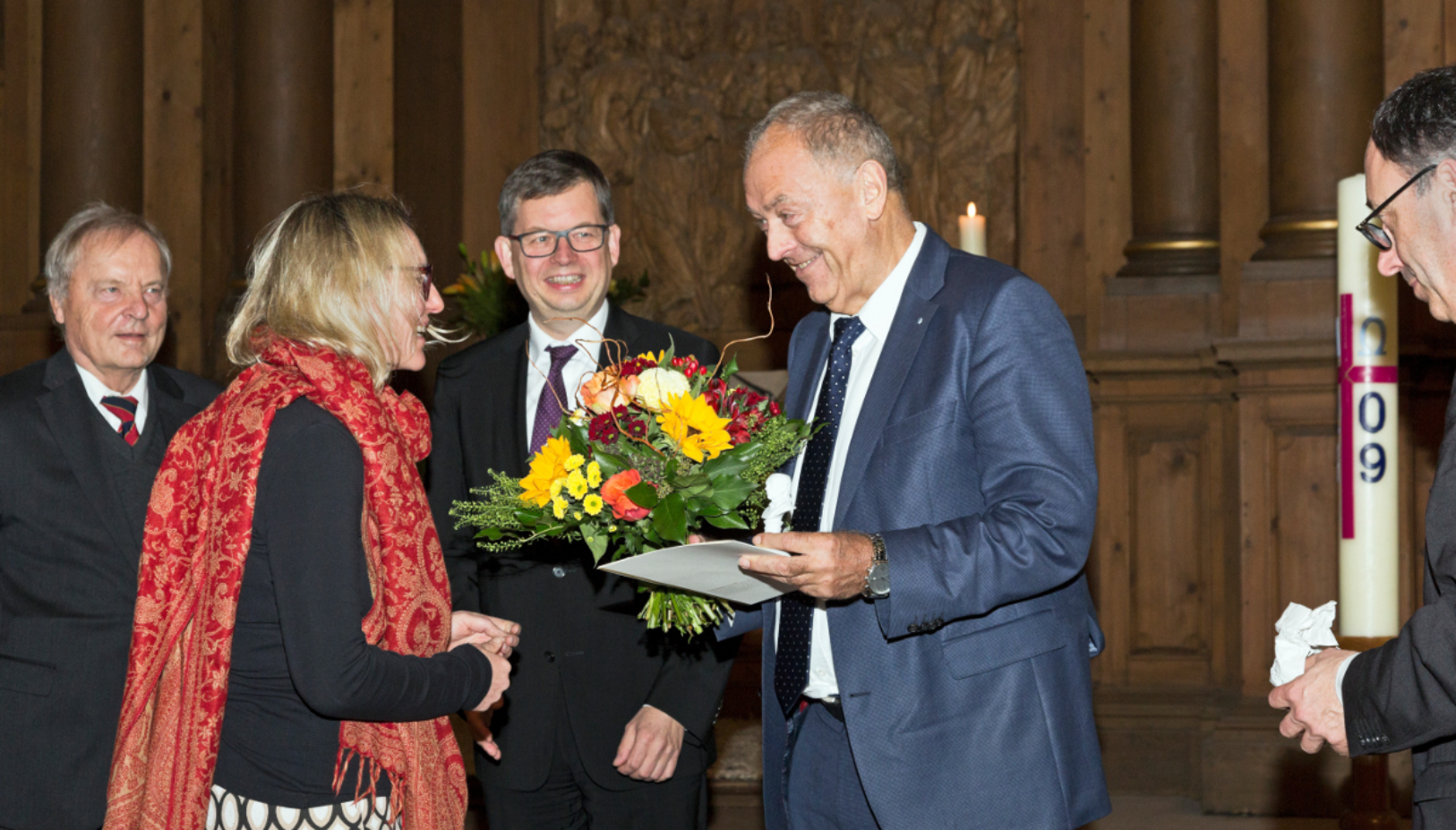
On November 26, 2019, computer science professor Franz Josef Radermacher of the University of Ulm was awarded this year’s Abt Jerusalem Prize. The Evangelical Lutheran Church of Brunswick, the Technical University of Braunschweig, the Braunschweig Scientific Society, and the Braunschweig Cultural Heritage Foundation jointly presented the award for the fifth time.

Professor Franz Josef Radermacher is best known for his advocacy of a global eco-social market economy and fair globalization. He is an expert in technology assessment, environmentally friendly mobility, sustainable development, and overpopulation. At the University of Ulm, he served as Professor of Databases and Artificial Intelligence until 2018. He heads the Research Institute for Applied Knowledge Processing/n (FAW/n) in Ulm and has been a member of the Club of Rome since 2002.

Abt Jerusalem Prize

Since 2009, the organizers have awarded the Abt Jerusalem Prize to honor outstanding scientific contributions to the dialogue between the humanities, natural sciences, and engineering. The prize carries an endowment of 5,000 euros. It is named after Friedrich Wilhelm Jerusalem (1709–1789), Abbot of Riddagshausen and co-founder of the Collegium Carolinum, the precursor to today’s Technical University of Braunschweig. Abbot Jerusalem is regarded as a pioneer of an enlightened relationship between faith and reason.
Press release: Evangelical Lutheran Church of Brunswick.

Lectures at the Award Ceremony

The laudatory speech for the presentation of the Abt Jerusalem Prize on November 26, 2019, in Braunschweig was delivered by Prof. Dr. Ulrich Menzel, TU Braunschweig and member of the Braunschweig Scientific Society (BWG)

Einen interessanten Vortrag hielt Dr. Peter Johnston. Peter Johnston ist Abteilungsleiter des New Methods of Work und Generaldirektor der Informationsgesellschaft der EU-Kommission sowie Mitglied des Club of Rome. Download des Vortrags mit dem Titel “Protecting the climate, biodiversity and sustainable diets – rethinking land-use for bio-sequestration”. An engaging lecture was also given by Dr. Peter Johnston, Head of the New Methods of Work Department and Director-General for the Information Society of the European Commission, as well as a member of the Club of Rome. Download of his lecture: “Protecting the Climate, Biodiversity and Sustainable Diets – Rethinking Land Use for Bio-Sequestration“.

Prof. Dr. Estelle Herlyn also contributed a presentation at the festive colloquium accompanying the award ceremony. You can download the slides of her presentation here: “The Alliance for Development and Climate – A Building Block for Implementing the 2030 Agenda and the Paris Climate Agreement“.

New Video Clip from the Alliance for Development and Climate

A key focus of the FAW/n at present is the Alliance for Development and Climate initiated by the Federal Ministry for Economic Cooperation and Development (BMZ), which the FAW/n accompanies scientifically. With the goal of promoting development and climate protection simultaneously, the Alliance recognizes, connects, and promotes non-governmental engagement, particularly from the private sector.

The Alliance builds on the potential of voluntary commitment and the leverage effect of high-quality CO₂ compensation projects in developing and emerging countries. All activities of its supporters are voluntary, go beyond existing legal CO₂ reduction obligations, and involve participation in high-quality development and climate protection projects in these countries. In the long term, the projects supported within the framework of the Alliance – along with avoidance and reduction measures – contribute to achieving climate neutrality or even climate positivity.

A new video clip by the BMZ presents this idea in a concise and engaging way.

Image source: © GIZ/Aschoffotografie

Second Meeting of the Supporters’ Circle of the Alliance for Development and Climate

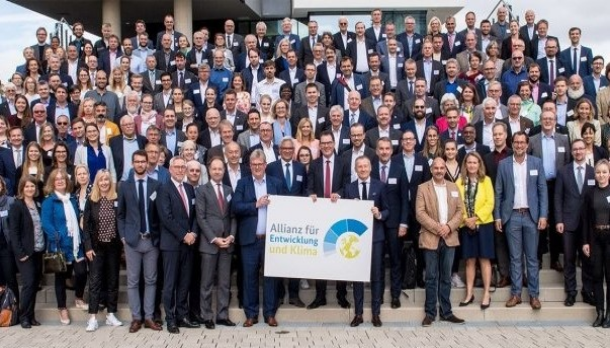
On September 17, the Supporters’ Circle of the Alliance for Development and Climate convened in Bonn. Around 200 supporters and interested participants discussed the potential of additional voluntary engagement by non-state actors in climate protection and development with Federal Minister Dr. Gerd Müller and other high-ranking guests. [Link to photo gallery and article].

At the sidelines of the meeting, Federal Minister Müller presented the Alliance’s initiatives and recommendations for international climate policy. The [YouTube video] shows the press conference, which also featured contributions from Prof. Radermacher.

Photos © GIZ/Aschoffotografie

Philosophical Conversations in Hagen

Interviews Following the Hagen Anniversary “Future” Event

On February 13, 2019, the Hagen City Hall hosted the 20th anniversary of the Hagen Future Events, initiated by philosopher Klaudius Gansczyk. Among the participants were Prof. Hartmut Graßl, Prof. Franz Josef Radermacher, and Prof. Ernst Ulrich von Weizsäcker, each attending their third official visit to Hagen in the context of these Future Events. On this occasion, the Mayor of Hagen honored the climate researchers by including them in the Golden Book of the City.

In a conversation with Klaudius Gansczyk, following the anniversary event, Prof. Radermacher discussed his works – “Balance or Destruction,” “World with a Future,” and “Der Milliarden-Joker (The Billionaire-Joker)” – and explored themes such as planetary consciousness, intercultural humanism, world ethics, global governance, worldwide eco-social market economy, and the Alliance for Development and Climate (AEK). He also reflected on values including global justice, peaceful conflict resolution, and sustainability. The interview is available on YouTube:

In the second interview, Klaudius Gansczyk spoke with Prof. Dr. Ernst Ulrich von Weizsäcker, Honorary President of the Club of Rome, also in the aftermath of the anniversary event, about the Club’s anniversary volume “Wir sind dran”. The interview addresses a new, sustainability-oriented enlightenment in light of planetary threats in the Anthropocene, taking into account the diversity of worldviews, ways of thinking, and logic systems worldwide, and is captured on video.

Image source: pixabay/wikiImages

IHK Commitment: Active for Climate Protection

The Nuremberg Chamber of Industry and Commerce for Middle Franconia (IHK Nürnberg für Mittelfranken) has joined the “Alliance for Development and Climate”, which was founded in autumn 2018 by the Federal Ministry for Economic Cooperation and Development (BMZ).

The Alliance now includes around 350 companies, associations, public authorities, project developers, compensation providers, and private individuals.

You can read the full article from IHK Nuremberg here.

Image source: akspic

More Forests, Less Climate Change

An Important Building Block of the Alliance for Development and Climate

At the official press conference held at the Federal Press Conference in Berlin, Federal Minister Dr. Gerd Müller, Plant-for-the-Planet, FAW/n, and the Senate of Economy Germany presented a study from ETH Zurich. The study demonstrates that large-scale global reforestation has the potential to reduce global warming by up to 1 degree Celsius.

Federal Press Conference on Reducing Global Warming through Forest Restoration, July 3, 2019

Reforestation and forest conservation are key project categories of the Alliance for Development and Climate, which was launched by the German Federal Ministry for Economic Cooperation and Development (BMZ), together with GIZ and FAW/n. Supporters of the Alliance contribute voluntarily to help preserve forest areas in developing countries and remove CO₂ from the atmosphere through reforestation. Projects that promote humus formation in agriculture, develop renewable energy sources, or expand the use of efficient cookstoves achieve the same effect. In addition, these projects generate enormous co-benefits for sustainable development and the United Nations’ Sustainable Development Goals (SDGs).

The fact that so much forest is still being lost, too little reforestation is taking place, and insufficient progress is being made in development is largely due to a lack of financial resources. Public funds alone are not enough to meet the challenges ahead. That is why the Alliance for Development and Climate brings together private-sector actors whose goal is to become climate neutral in the long term. Recently, Robert Bosch GmbH announced that it intends to operate climate-neutrally as of 2020. The company invests around one billion euros annually to achieve this goal, using high-quality climate protection and development projects in developing countries.

In July, Federal Minister Müller will travel to Brazil to discuss, among other things, the fastest measure against climate change — forest conservation — with the responsible ministers there.

Image source: pixabay/Bergadder

End-of-Year Message

Global challenges are growing. The United States is destabilizing the international order and breaking treaties, while China seeks to expand its influence in the South China Sea. Brexit, financial instability in Italy, and populist trends across many EU countries make smart policymaking increasingly difficult. As a result, the outlook for sustainable development is worrying.

Warnings from the IPCC and the Club of Rome, which recently celebrated its 50th anniversary, are clear: urgent action is needed. In response, FAW/n has been working with the Federal Ministry for Economic Cooperation and Development (BMZ) to establish the Alliance for Development and Climate, promoting non-governmental engagement in development and international climate protection. This initiative has the potential to drive significant change in climate policy, the 2030 Agenda, and global population trends – potentially a quantum leap forward. At the same time, we are collaborating with the Senate of Economy on a study to be released ahead of the European elections, presenting a vision for a stronger, more united Europe.

Through these and other initiatives, FAW/n continues to contribute to shaping a sustainable future, together with the Club of Rome, the Senate of Economy, the BMZ, and many other partners – including the University Days on Eco-Social Market Economy and Sustainability.

We are grateful for the opportunity to work closely with our partners and sincerely thank everyone for their broad support throughout the year.

Image source: pixabay/Free-Photos

New Report by the Intergovernmental Panel on Climate Change (IPCC)

“The latest report by the Intergovernmental Panel on Climate Change (IPCC) sends a clear message: Climate change is increasingly becoming a question of humanity’s survival. If we do not act decisively now, millions of people will be forced to leave their homes. To slow down climate change and mitigate its impacts, the German Federal Government provided €3.65 billion last year. Of that, more than €3 billion was made available by the Federal Ministry for Economic Cooperation and Development (BMZ) alone to support climate protection and adaptation projects in developing countries.

But that is far too little. We would need to invest at least ten times that amount to promote climate-neutral development. This requires the large-scale generation of negative emissions – for example, through reforestation and humus-rich agriculture in semi-arid regions – as well as the promotion of renewable energies, energy efficiency, and synthetic fuels in non-industrialized countries.

Unfortunately, these international approaches have so far received too little attention in the German debate. The focus is mainly on the situation in Germany and on local activities, even though these alone cannot solve the climate problem. Even for the planned national measures, the available funds are insufficient. There is certainly no adequate financing for a more extensive international climate policy. Nevertheless, this has not stopped people from interpreting the IPCC report as if it also emphasized a primarily national focus.

Against this background, we are pleased that Minister Müller and the BMZ will launch a multi-stakeholder initiative called the Alliance for Development and Climate in the coming months. The goal is to engage non-state actors – especially companies and wealthy individuals – in making voluntary contributions to international climate protection and the implementation of the 2030 Agenda through high-quality voluntary CO₂ offsetting measures in non-industrialized countries.

Mobilizing non-state actors is currently one of the greatest opportunities we have to perhaps still achieve the 2°C target.”

Plant-for-the-Planet, the Global Marshall Plan Initiative, the Senate of Economy, the Foundation Responsibility, and many other actors pursue a different approach: international activities, massive reforestation, negative emissions, and emphasizing the special responsibility of the top emitters – those are wealthy individuals with a pronounced lifestyle and several hundred tons of individual CO₂ emissions per year.

Links:

Image source: pixabay/SD-Pictures