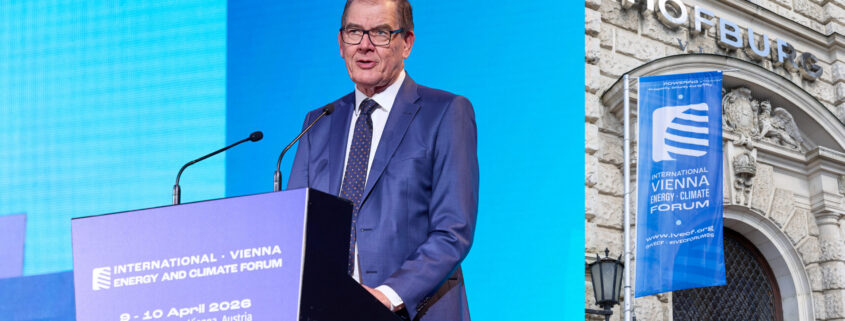
FAW/n at the International Vienna Energy and Climate Forum (IVECF) 2026 at Vienna’s Hofburg Palace
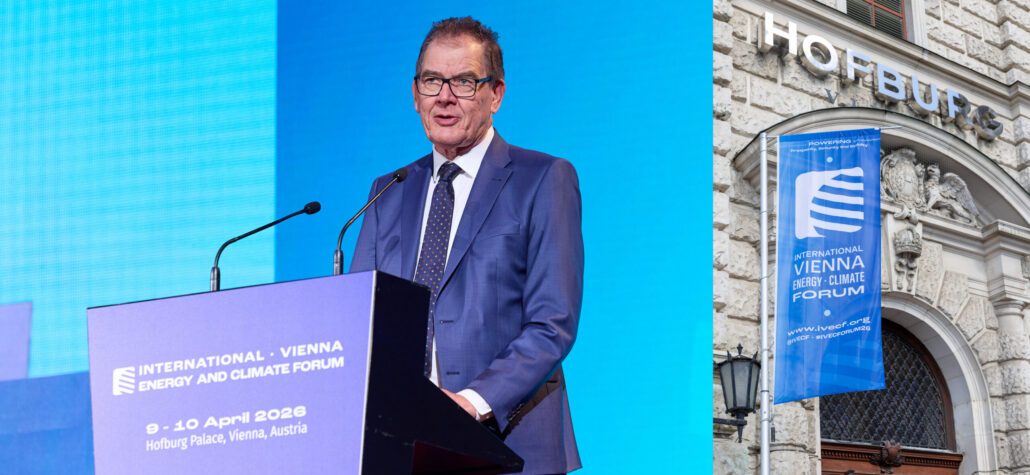
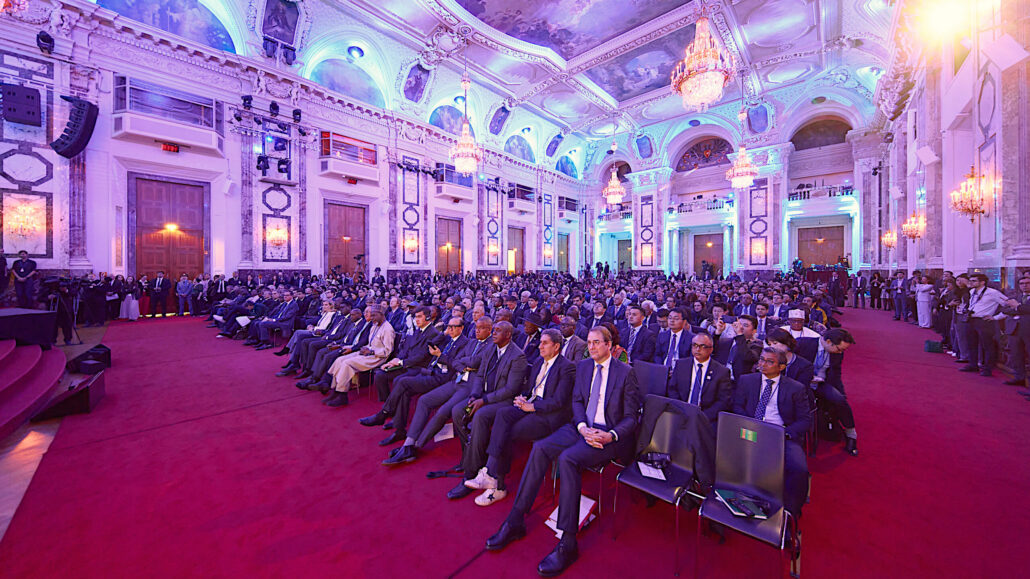
FAW/n was prominently represented at this year’s International Vienna Energy and Climate Forum (IVECF), held at Vienna’s historic Hofburg Palace. The high-level conference takes place approximately every two years and is organised, among others, by the United Nations Industrial Development Organization (UNIDO), the Austrian Federal Ministry for European and International Affairs, the Austrian Development Agency, and other international partners. This year, representatives from more than 145 countries attended the IVECF.
FAW/n was represented by Prof. Dr Estelle Herlyn, Prof. Dr Dr Dr h.c. Franz Josef Radermacher and Dr Tobias Orthen. Their participation underlines the Institute’s active role in key international debates on energy and climate policy, as well as its close network of relationships with leading global actors.
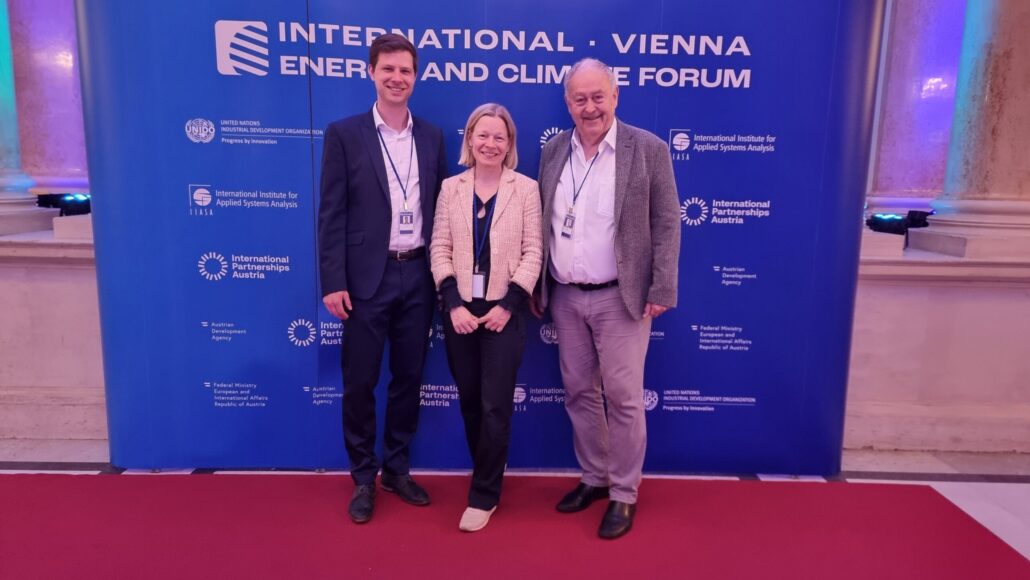
Strategic dialogue at the highest level
A particular focus of the visit to Vienna was an intensive exchange with Dr Gerd Müller, Director General of UNIDO and former German Federal Minister for Economic Cooperation and Development (BMZ). FAW/n has advised Dr Müller for many years. Key initiatives developed with Dr Müller include, for example, the establishment of the Alliance for Development and Climate and the Marshall Plan with Africa launched by the BMZ. Against the backdrop of current global turbulence, it is essential to align strategies and deepen effective partnerships.
Through Prof Franz Josef Radermacher and Dr Tobias Orthen, FAW/n has been involved in the work of the UN Council of Engineers for the Energy Transition (CEET) since its establishment. This high-level network brings technical expertise to bear on the work of the UN system and, in particular, advises UN Secretary-General António Guterres on issues relating to the global energy transition. Events such as the IVECF provide an important opportunity for the Council’s approximately 50 international experts to exchange views and, wherever possible, meet in person. In Vienna, the strategic direction of the CEET’s work for the coming months was discussed.
In addition, discussions were held with numerous international partners from academia, politics and international organisations, including Prof Jeffrey Sachs of Columbia University, President of the Sustainable Development Solutions Network (SDSN), as well as representatives of leading institutions working in the fields of sustainable development and energy transition.
Prof Estelle Herlyn: International carbon markets in focus
Prof Estelle Herlyn was invited to participate in a panel discussion entitled “From Integrity to Investment: Creating Trusted Carbon Markets that Mobilize Private Climate Finance”, jointly organised by UNIDO and the Paris Agreement Article 6 Implementation Partnership (A6IP).
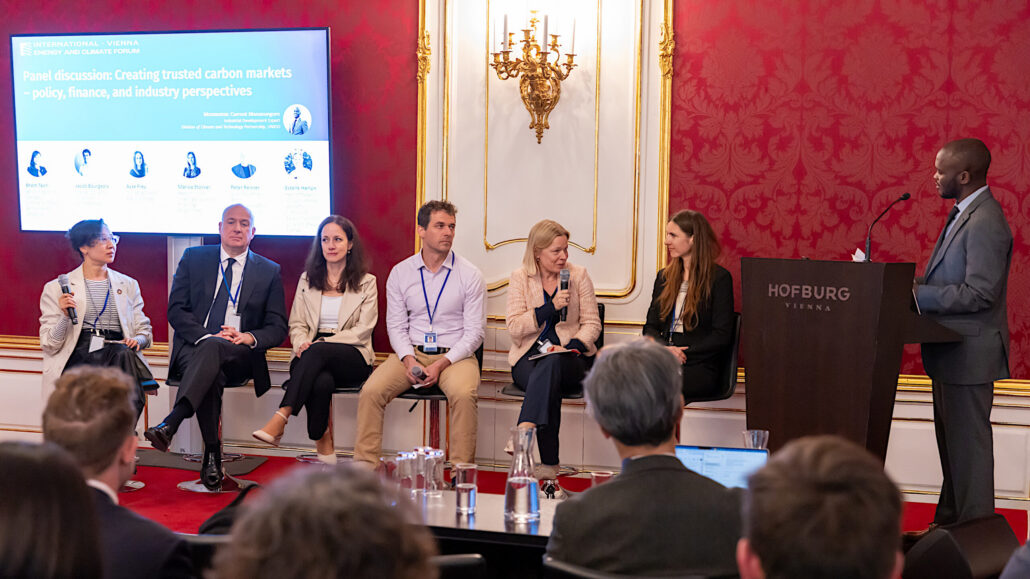
The discussion with international experts focused in particular on the role of transparency, governance and solution-oriented narratives in scaling up effective global carbon markets. Participants included Peter Renner, Member of the Board of the Alliance for Development and Climate, and Jacob Bourgeois, Head of Carbon Strategies & Innovation at Volkswagen ClimatePartner.
The discussion made clear that international cooperation – including in the context of Article 6 of the Paris Agreement – is an essential prerequisite for effective climate action and the achievement of net-zero targets. Unfortunately, this is precisely the opposite of what leading industrialised nations, including Germany, are currently doing. Many prefer to try to “save the climate at home” rather than create international synergies and reduce costs through cooperation.
Prof Franz Josef Radermacher: Global capacity development and systemic solutions
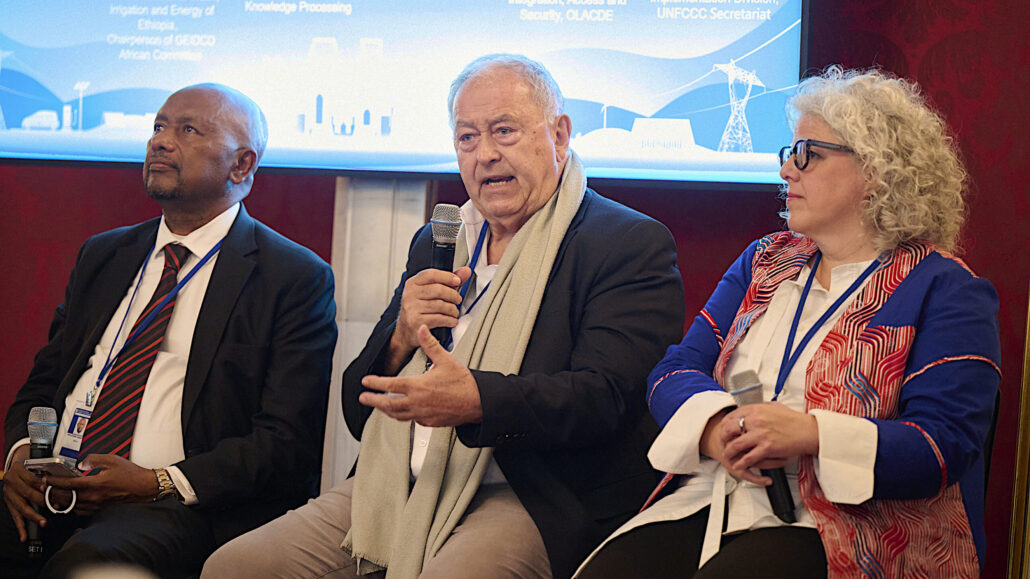
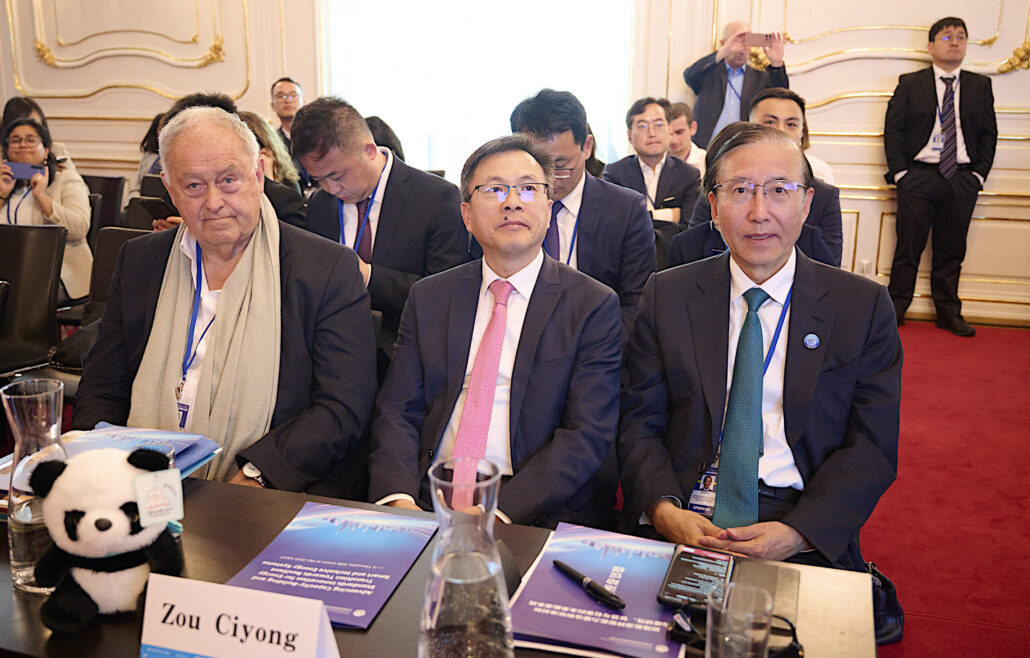
Prof Franz Josef Radermacher participated in a high-level side event addressing the importance of capacity building and international technical standards for the global energy transition. The event was organised by the Global Energy Interconnection Development and Cooperation Organization (GEIDCO) together with international partners. GEIDCO is one of the key organisations working on renewable energy in China.
The discussion focused on how systematic, scalable capacity building and international cooperation can accelerate the transition towards resilient, intelligent and inclusive energy systems. Topics included the establishment of the Global Energy Interconnection Academy as a platform for knowledge transfer, as well as initial findings from a global needs assessment examining capacity gaps in the energy sector.
Participants in the side event included Prof Xin Baoan, Chairman of GEIDCO and President of the China Electricity Council; Riad Meddeb, Head of the Decarbonization and Sustainable Energy Division at the UNDP; and H.E. Rabab Fatima, Under-Secretary-General and High Representative for the Least Developed Countries of the United Nations.
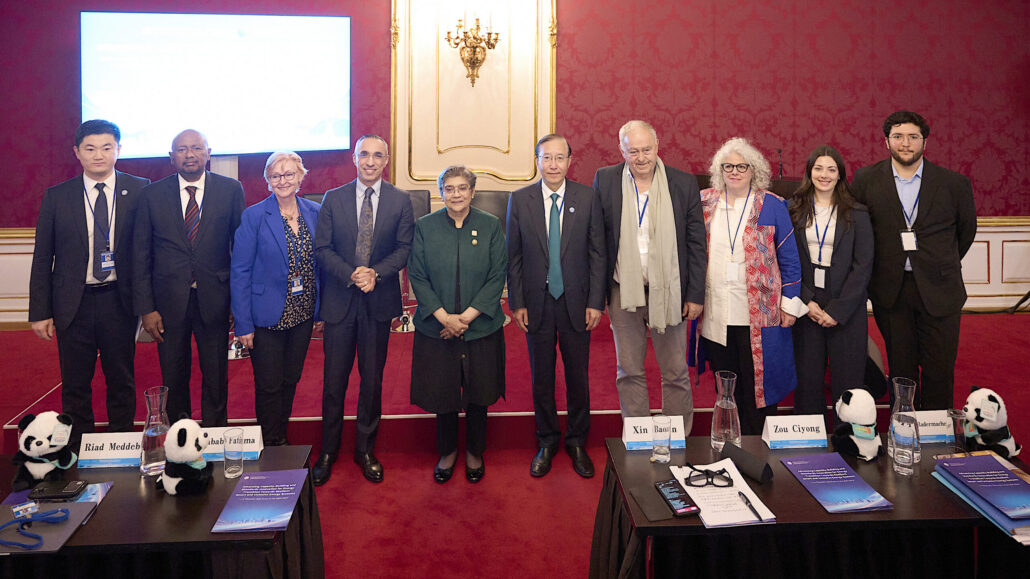
The discussion highlighted the central importance of evidence-based policy advice and internationally coordinated approaches to solutions – an area in which FAW/n has been actively engaged for many years.
Dr Tobias Orthen and the Council of Engineers for the Energy Transition (CEET)
Dr Tobias Orthen used the Forum in particular to advance the work of the Council of Engineers for the Energy Transition (CEET).
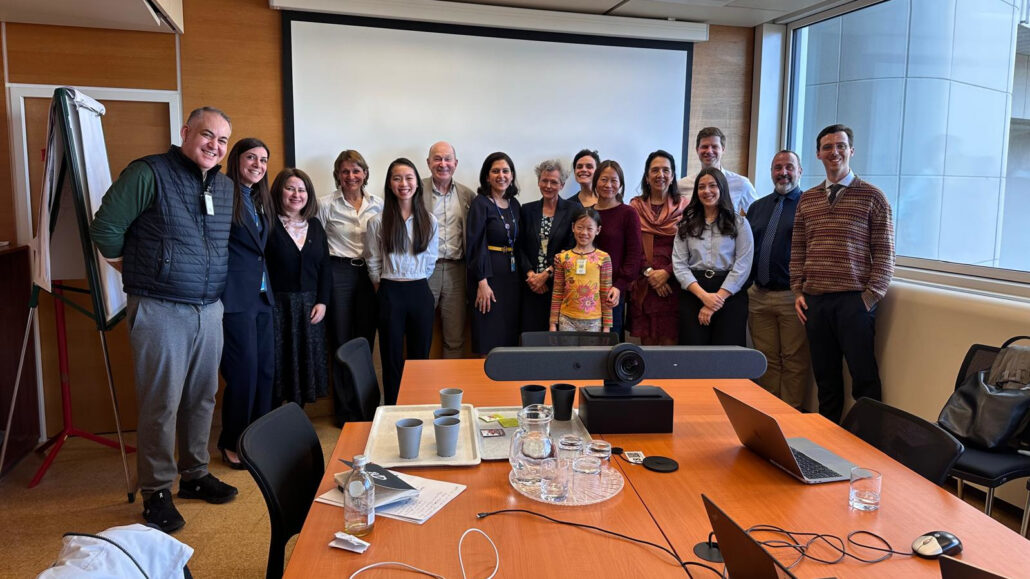
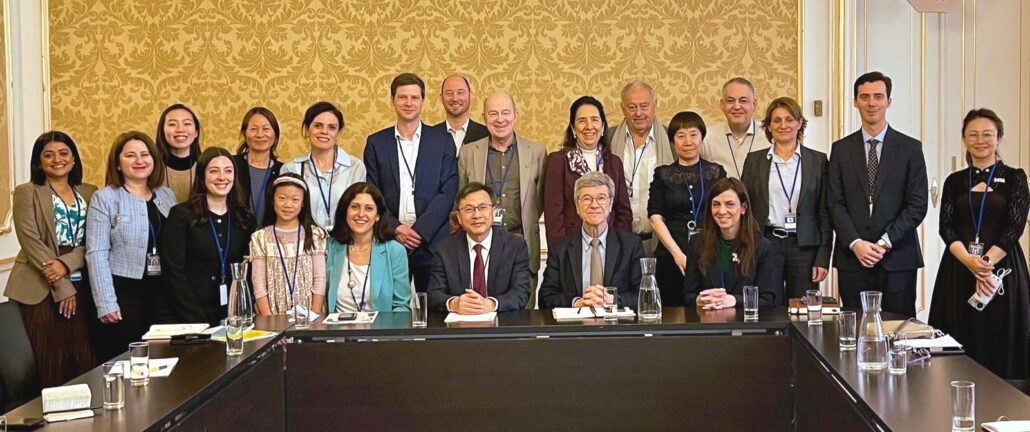
The focus was on further developing the Council’s work agenda, strengthening support for multilateral processes, and translating strategic recommendations into concrete implementation measures. The Council’s monthly meeting had already taken place the previous day at UNIDO’s headquarters in Vienna. Later, during the IVECF, further key stakeholders came together for a strategic dialogue and to set the direction for the CEET’s work over the coming months. They included Prof Jeffrey Sachs (SDSN), Co-Chair of the CEET, who leads the Council together with Dr Gerd Müller; Ciyong Zou, Managing Director and Deputy to the Director General of UNIDO; Rana Ghoneim, Director of the Energy and Climate Action Division at UNIDO; Georgia Iordanescu, Chief of the Sustainable Energy and Just Transitions Unit at UNIDO; as well as representatives of UN DESA and Sustainable Energy for All (SEforALL).
Particular emphasis was placed on the need for regionally differentiated approaches and systemic solutions to the energy transition. Dr Tobias Orthen proposed linking the discussions surrounding the EU Emissions Trading System (EU ETS-II) with the activities of the African Union, which is currently developing an energy strategy as well as an industrialisation and export strategy.
The EU is discussing the possibility that, in future, 5% of the emissions allowances under the EU ETS could be fulfilled through international certificates. From our perspective, this is clearly far too little. Nevertheless, it could represent a first step towards enabling African countries, for example, to supply climate-friendly hydrogen, steel and other industrial and energy products to the EU. The result could be effective climate action combined with industrial development at optimised cost.
Images © UNIDO, CEET, FAW/n