Clean Management Forum Publishes Carbon Management Study

The Clean Energy Forum (CEF), led by Dr. Friedbert Pflüger and with Prof. Franz Josef Radermacher as a member of its advisory board, has released the publication “Carbon Management – Key Technology in the Fight Against Climate Change”. The CEF is an independent think tank advocating for technology-neutral, market-oriented climate policies. In their publication, authors Hans-Joachim Kümpel (former president of the German Federal Institute for Geosciences and Natural Resources – BGR), Franz Josef Radermacher, and Reinhard Hüttl highlight the crucial role of carbon management technologies. They argue that carbon capture and storage (CCS) and related methods are indispensable for reducing hard-to-avoid emissions and achieving climate targets. The study calls for a reliable regulatory framework and investments in CO₂ infrastructure to enable the industrial-scale implementation of these technologies.

Net Zero 2070: GES Reference Solution

A solution to the global energy and climate challenges is possible. The GES reference solution demonstrates how ten billion people could enjoy a life of freedom, adequate prosperity, social balance, and harmony with nature by 2070. The guiding principle is achieving global energy well-being through innovation and markets, rather than managing energy scarcity.

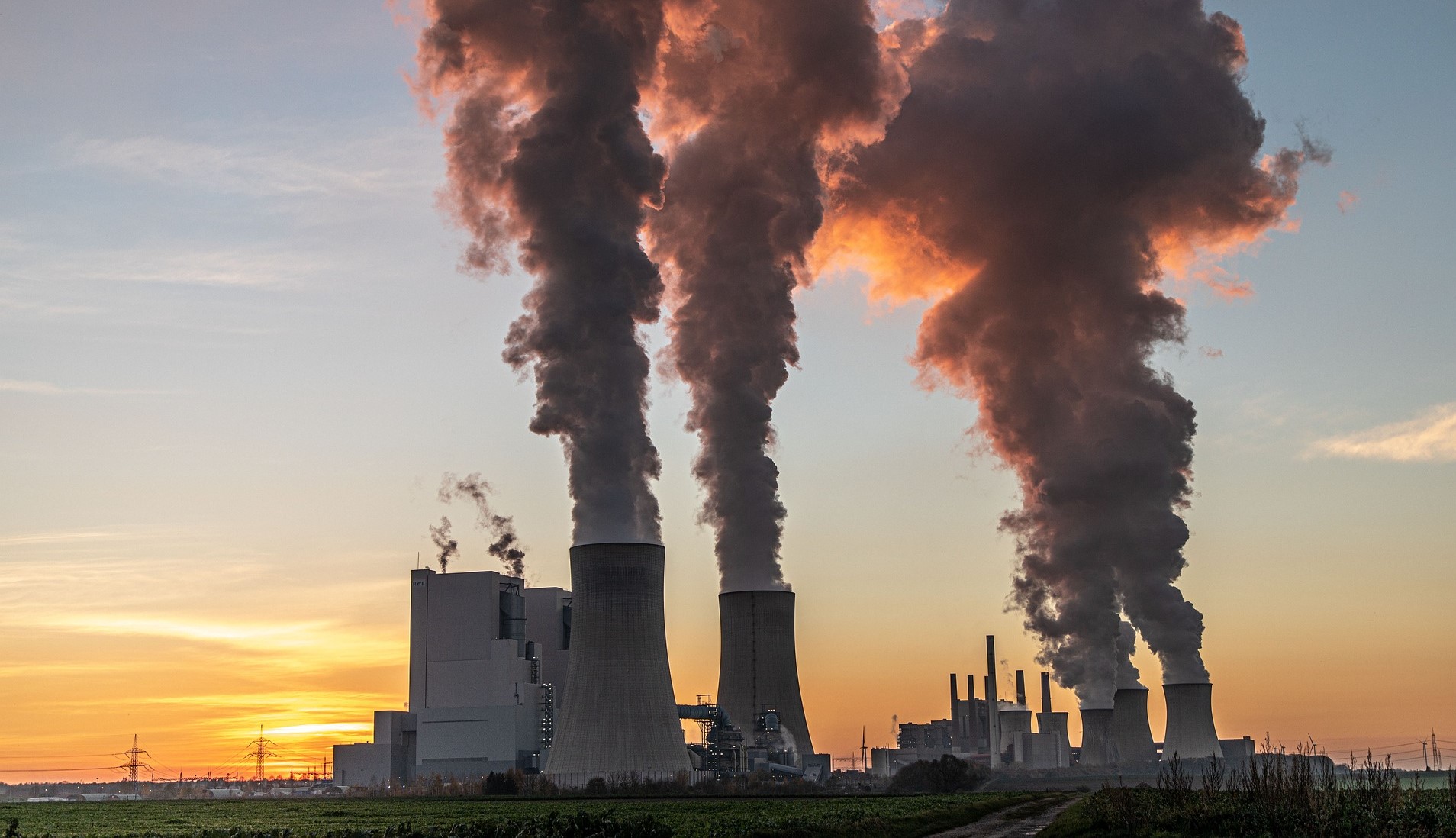
CO2 Capture: Germany’s Untapped Potential

Are there alternatives to electromobility and CO2 reduction? “Yes!” is Prof. Radermacher’s clear answer. “The problem is that combustion processes release CO2 into the atmosphere. So, the question is: Can we prevent this?”

To achieve this, we need to capture CO2 where it’s emitted, such as at coal power plants and cement factories. The greenhouse gas can then be used to produce e-fuels or pumped into depleted oil and gas fields.

Germany has so far given little thought to this method. The situation is different in North America and Norway, where this process – known as Carbon Capture Utilization and Storage (CCUS) – has been in use for 30 years.

Learn more about this topic in the article by Austrian magazine “ÖAMTC” and in the podcast with Prof. Radermacher. Please scroll directly to episode 31.

Image source Catazul (Pixabay)

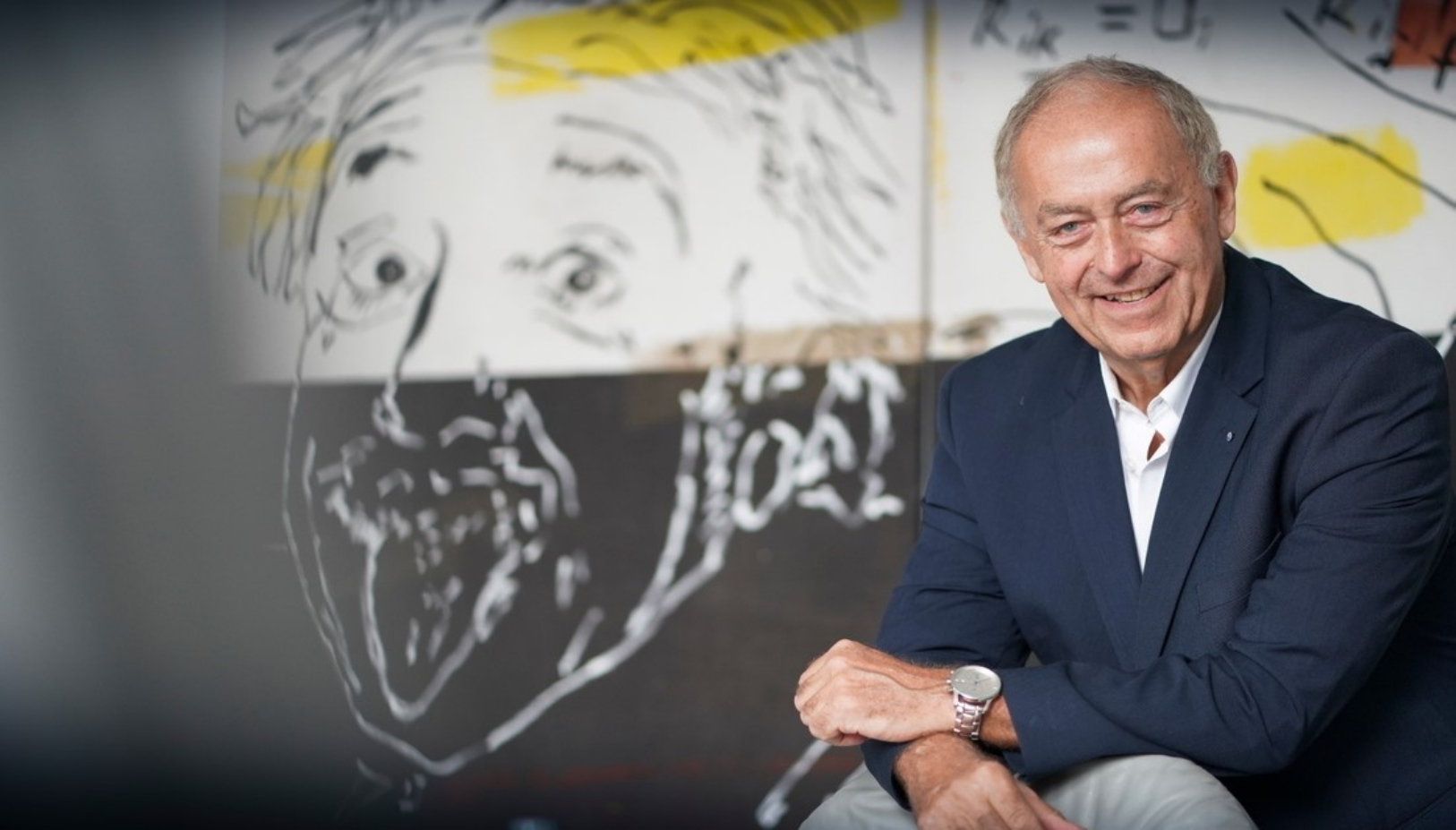
Professor Radermacher, what motivated you to join the CEET?

Prof. Dr. Dr. Dr. h.c. Radermacher answers this and other questions in a new video by the Council of Engineers for the Energy Transition (CEET).

He also responds to questions about the special expertise he brings to the CEET and why engineers, in particular, are so important in addressing climate change. You can watch the full interview on the CEET’s LinkedIn page.

Finally, Prof. Radermacher is asked for advice for current and future engineers working to advance the energy transition: “Keep all dimensions of the problem in view, and think unconventionally. Have good ideas and the courage to put them into practice. Try to develop something the world has never seen before. […] Perhaps, as a young person, you can make a real difference for the world.”

Image source: ©Südwest Presse Ulm, Volkmar Könneke

Project Completion: “Foundation Development and Climate Alliance”

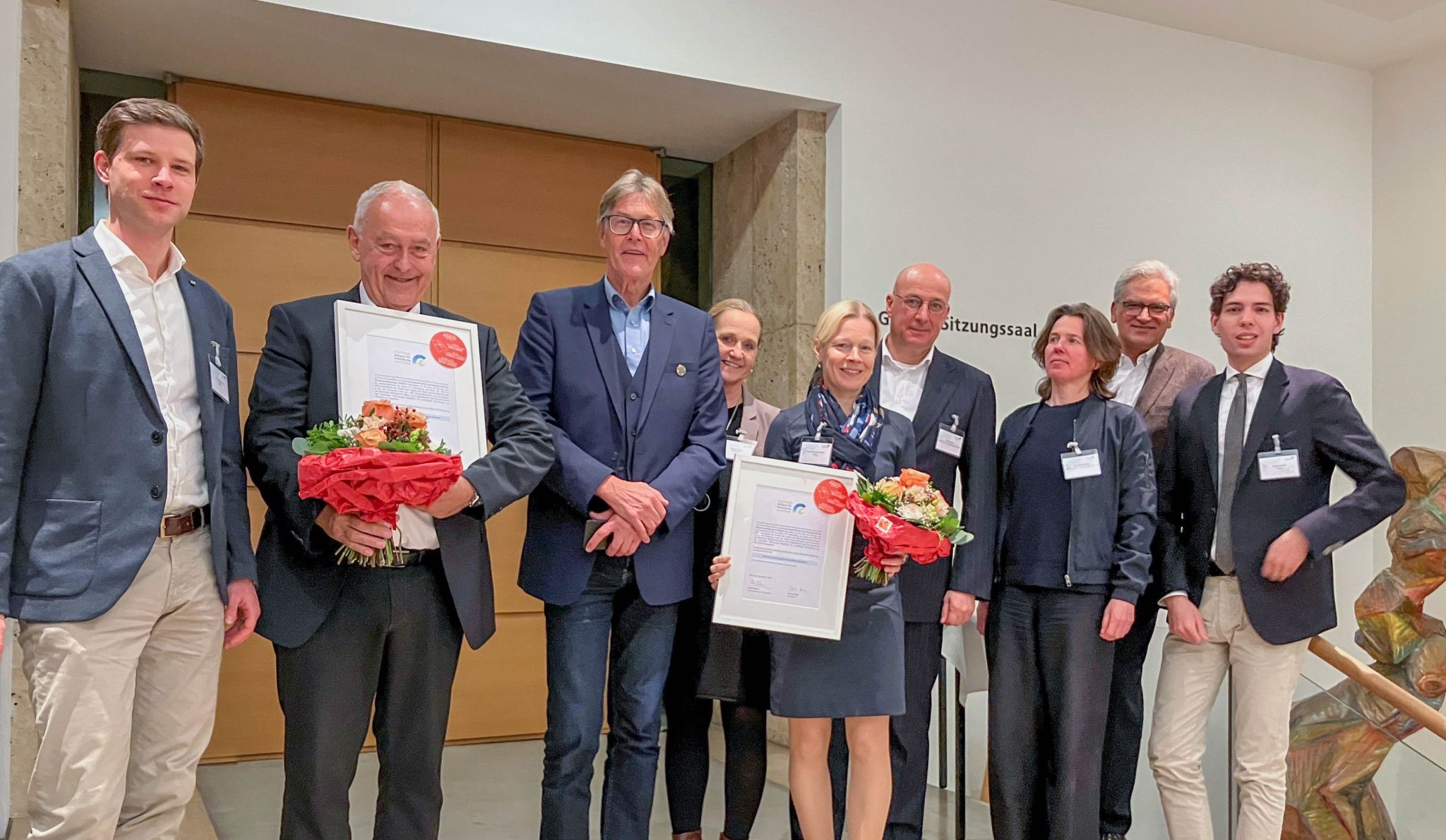
At the turn of 2022/23, FAW/n concluded, after more than four years, the accompanying research project on the Alliance for Development and Climate, funded by the Federal Ministry for Economic Cooperation and Development (BMZ). An official farewell ceremony was held at Ulm City Hall at the end of November 2022. On behalf of the foundation and the Alliance’s circle of supporters, Prof. Radermacher was presented with a certificate in recognition of his outstanding personal commitment.

After FAW/n initiated the idea of establishing a multi-stakeholder partnership—whose mission, in line with Franz Josef Radermacher’s “Milliardenjoker” concept, is the non-governmental promotion of development in accordance with the 2030 Agenda and international climate protection—this idea was incorporated into a BMZ project in spring 2018. From that point on, FAW/n, together with BMZ and later also the Deutsche Gesellschaft für Internationale Zusammenarbeit (GIZ), was responsible for conceptualizing and implementing the Alliance for Development and Climate. In 2020, the Alliance was transformed into an independent foundation.

At the conclusion of the project, a final study titled “The Alliance for Development and Climate Beyond CO₂ Compensation – Future Potentials” was produced. Its key message: the need for international contributions to the 2030 Agenda, climate protection, and biodiversity conservation is so great that the world urgently requires new instruments beyond CO₂ compensation to unlock the full potential of non-governmental actors – without which no solution to these challenges is possible.

IIn this spirit, FAW/n will continue to work on these topics even after the project’s completion, as integrating development in line with the 2030 Agenda with environmental and climate protection will need to receive far more attention in the future than it currently does.

Photo: Farewell event of FAW/n at Ulm City Hall, from left to right: Dr. Tobias Orthen (FAW/n), Prof. Dr. Dr. Dr. h.c. Franz Josef Radermacher (FAW/n), Fritz Lietsch (Managing Director, forum Nachhaltig Wirtschaften, event moderator), Regina Simon (FAW/n), Prof. Dr. Estelle Herlyn (FAW/n), Peter Renner (Board, Alliance for Development and Climate Foundation), Gesa Schöneberg (Head of Research & Consulting, Alliance for Development and Climate Foundation), Gunter Czisch (Mayor of Ulm), and Nikolas Lokau (FAW/n)

Image source: FAW/n

New Book Recommendation from Prof. Radermacher

A humorous take on the serious crises of our time. Physicist and comedian Vince Ebert achieves this balancing act in his Spiegel bestseller “Lichtblick statt Blackout – Warum wir beim Weltverbessern neu denken müssen” (“A Glimmer of Hope Instead of Blackout – Why We Need to Rethink Saving the World”)

“While summer temperatures keep rising, we’ll need to bundle up extra warm this winter. A situation we’ve brought upon ourselves through many poor decisions in the past. Did you know Finland’s Greens support nuclear power? Or that if we relied solely on wind and solar, our energy reserves would be depleted within 40 minutes on a windless night? But what can you expect from a nation that can’t even build an airport properly?”

Prof. Radermacher greatly enjoyed Ebert’s refreshing and direct writing style and warmly recommends this book. Further information can be found here.

Image- and information source: www.dtv.de, pexels (pixabay)