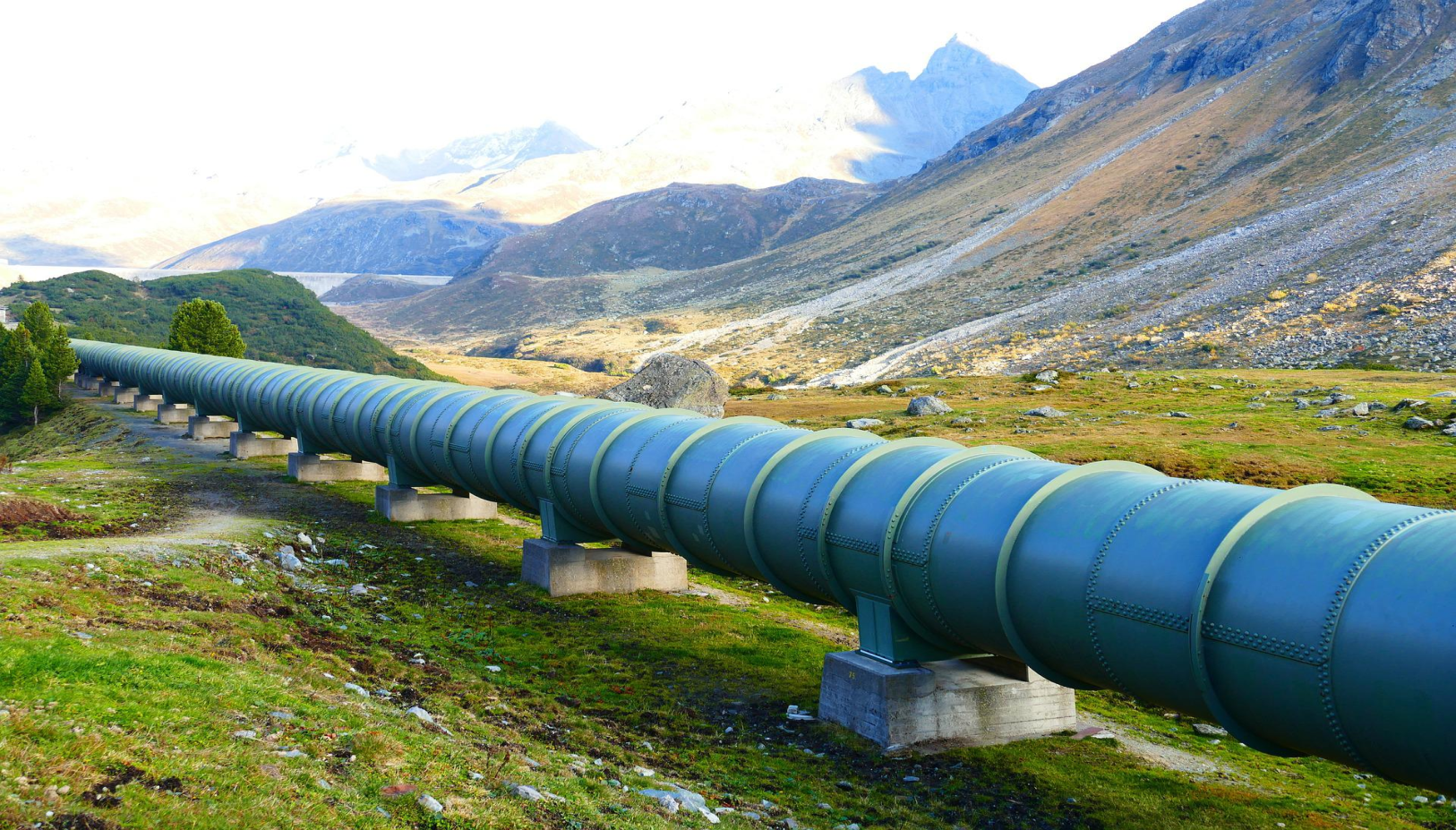
Is phasing out fossil fuels sensible? Is it necessary for humanity to give up prosperity in the name of climate protection? In an interview with Stephan Strzyzowski, editor-in-chief of die Wirtschaft, Prof. Dr. Dr. Dr. h.c. Radermacher answers with a clear “No.”
The war in Ukraine has made Russian gas a controversial topic, but even before that, climate activists were calling for Germany to phase out coal, gas, and oil. According to Prof. Radermacher, however, moving away from fossil fuels would have serious political consequences, be extremely costly, and ultimately have little impact on the global climate. Instead, CO₂ should be captured and reintroduced into a circular system – a concept already being implemented in the U.S. and Norway. That said, Prof. Radermacher does see value in expanding renewable energy “toward doubling the current level.”
Other topics discussed in the interview include the beneficiaries of the fossil fuel phase-out, the tension between nature conservation and building wind turbines, and the broader effects of climate policy in Europe.
https://www.fawn-ulm.de/wp-content/uploads/2022/04/Pipeline-Water.png9271626FAW/nhttps://www.fawn-ulm.de/wp-content/uploads/2017/10/Logo_oben-300x121.pngFAW/n2022-03-29 14:10:002025-10-17 14:18:08Fossil or Renewable Energy? Interview with Prof. Radermacher
Google Vice President, Turing Award winner, and “Father of the Internet” Dr. Vinton G. Cerf, who has supported Ünver in many ways, congratulated him on his appointment during a digital inauguration ceremony.
The ceremony began with welcoming remarks from FOM Rector Prof. Dr. Burghard Hermeier. Other congratulators included Vice-Rector Prof. Dr. Ingrid Eumann, FOM Chancellor Dr. Harald Beschorner, representatives from FOM Frankfurt, Prof. Dr. Dr. Franz Josef Radermacher, Prof. Dr. Estelle Herlyn, as well as Ünver’s colleagues, friends, family, and the guest of honor Dr. Vinton Cerf.
Cerf stated: “Dr. Ünver’s work is crucial for understanding the barriers to the spread and use of the Internet, as well as the resulting economic benefits and potential risks.” The Internet pioneer and Turing Award laureate joined the ceremony remotely from the United States.
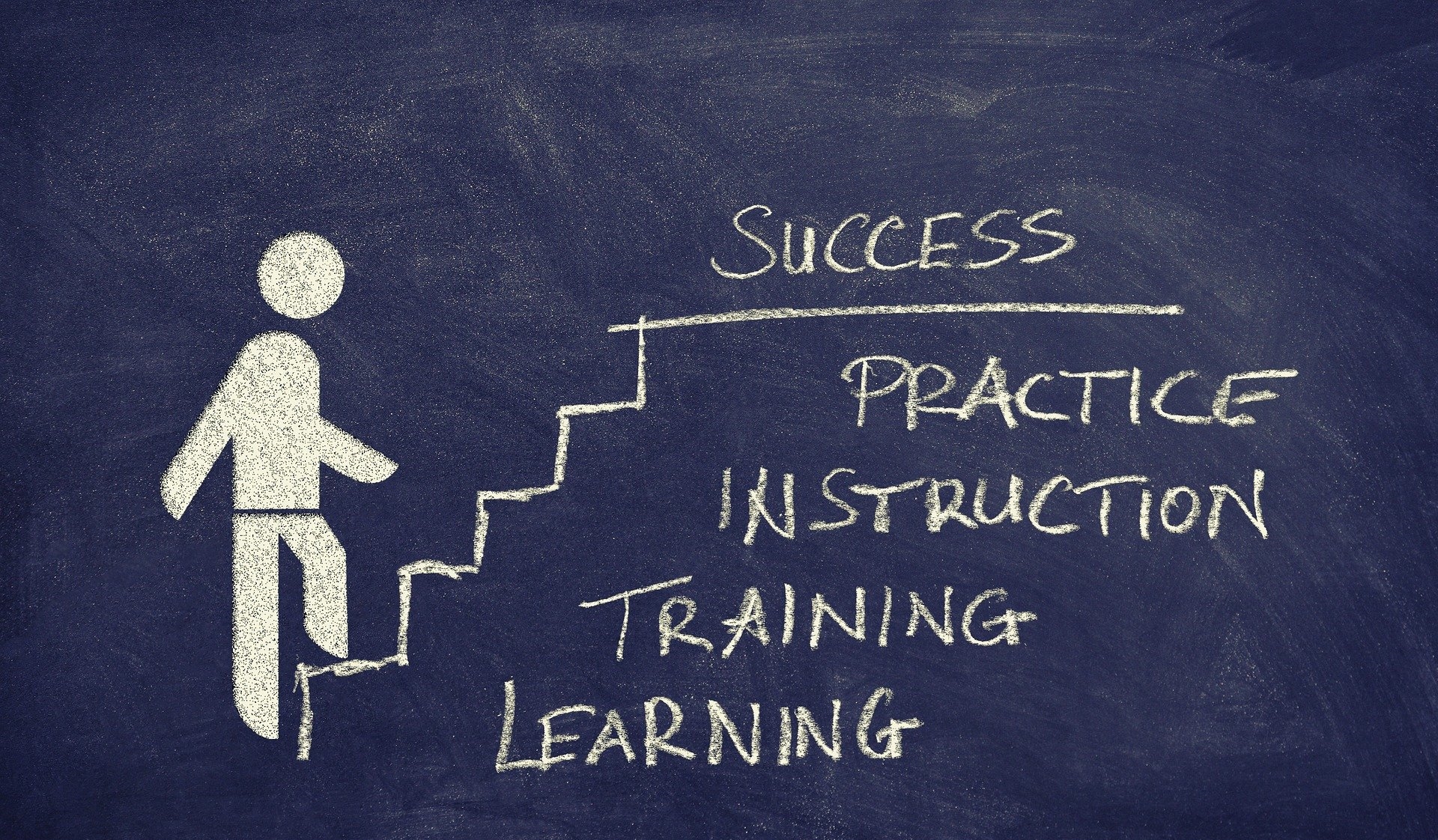
Cerf also shared thoughts on the future of education: “If affordable and secure broadband access is ensured, it could open up opportunities for lifelong learning. In the future, education should not be understood solely as a phase during the first 20 to 25 years of life. Over the last hundred years, life expectancy has increased dramatically in many parts of the world. There are many reasons for this, but the implications for education are profound. Imagine your child or grandchild wants to live to 100 and remain healthy for most of that time. It is unlikely that one can learn everything necessary for a productive career in the first 20-25 years. Assuming a productive career of 60-70 years, technology and global conditions will surely change and require us to learn new skills to remain relevant at work. Just look at the first 20 years of the 21st century: smartphones were introduced only 14 years ago, and we can already see how they have shaped the Internet and its online services. The coming decades will certainly bring even more unexpected developments.”
Cerf and Ünver first met in 2014 at a UN conference, where they discussed Ünver’s doctoral research. Ünver earned his Dr. rer. nat. in 2015 at the University of Ulm with his dissertation “Global Networking, Communication and Culture – Conflict or Convergence”, supervised by Prof. Dr. Dr. Franz Josef Radermacher and Prof. Dr. Michael Weber, in collaboration with Prof. Dr. Wolfgang Coy of Humboldt University Berlin. Even as a student, Ünver became familiar with work at FAW/n and developed an early interest in shaping the future and researching globalization processes in the context of digitalization, sustainability, and culture. He subsequently worked as a research associate and postdoctoral researcher at the Institute for Databases/Artificial Intelligence at the University, while also being active at FAW/n for many years.
In addition to his consulting activities, Prof. Ünver focuses on linking digital transformation, sustainability, energy and climate, transportation and mobility, globalization, international relations, and cultural change. He is active in think-tank working groups at the UN, G20, and EU levels. He serves on the Advisory Board of the European Technology Chamber (EUTEC) and has worked as Director of International Relations at the Senate of Economy Europe. Since 2018, Dr. Ünver has been teaching at FOM University’s Stuttgart campus and will now enrich FOM in Frankfurt as Professor of Technology and Innovation Management.
The nonprofit FOM University belongs to the Educational Center of the Economy Foundation (BCW) in Essen. Currently, the university has more than 50,000 students across over 30 cities in Germany and in Vienna. What makes it unique: students complete state-recognized and accredited Bachelor’s and Master’s programs alongside their jobs or vocational training.
https://www.fawn-ulm.de/wp-content/uploads/2022/02/success_1.jpg11221920FAW/nhttps://www.fawn-ulm.de/wp-content/uploads/2017/10/Logo_oben-300x121.pngFAW/n2022-01-26 14:20:002025-10-17 14:21:14Appointment of Dr. H. Ünver as Professor of Technology and Innovation Management at FOM in Frankfurt
Call for Applications: Students and Young Professionals for the Development and Climate Academy
SAs far back as 50 years ago, Indira Gandhi summed it up at the first UN Conference on the Environment in Stockholm: development and environmental and climate protection must always be considered together.
This interconnected approach is reflected today in the UN’s 17 Sustainable Development Goals. In practice, however, we are still far from successful implementation.
The Alliance for Development and Climate makes an important contribution by motivating non-governmental actors to support projects in developing and emerging countries that both serve local communities and protect the climate.
Young people who understand the approach of the Alliance for Development and Climate Foundation, as well as the broader context, can actively advocate for the Foundation’s goals after successfully completing the Academy, while also engaging deeply with some of the major challenges of our time.
For the third time, the Development and Climate Academy – organized by FAW/n and the Hermann Ehlers Foundation – offers this opportunity. As part of the program, there will be an in-person event at the Hermann Ehlers Foundation in Kiel (September 24–26, 2022). The Alliance for Development and Climate Foundation participates as a cooperation partner.
What’s planned?
The two-day Academy in Kiel (September 24–26, 2022), along with four preparatory webinars, will cover key aspects of today’s global challenges related to international climate protection and sustainable development. Speakers include Prof. Dr. Estelle Herlyn and Prof. Dr. Dr. Dr. h.c. Franz Josef Radermacher.
Participants will be trained to motivate companies, as well as political and societal actors, to take action.
Application Process
We welcome applications including a motivation letter and CV, which can be sent to FAW/n (mende@fawn-ulm.de). Participation is limited to 20 people. Travel and accommodation costs to Kiel will be financially supported in coordination with the organizers.
https://www.fawn-ulm.de/wp-content/uploads/2022/01/190613_Rueger_Max_Drees_Sommer_Aachen_foto_2.png9271626FAW/nhttps://www.fawn-ulm.de/wp-content/uploads/2017/10/Logo_oben-300x121.pngFAW/n2022-01-21 14:23:002025-10-17 14:28:53Making a Real Difference
Cookie-Zustimmung verwalten
We use a few cookies to give you the best possible online experience.
Funktional
Always active
Die technische Speicherung oder der Zugang ist unbedingt erforderlich für den rechtmäßigen Zweck, die Nutzung eines bestimmten Dienstes zu ermöglichen, der vom Teilnehmer oder Nutzer ausdrücklich gewünscht wird, oder für den alleinigen Zweck, die Übertragung einer Nachricht über ein elektronisches Kommunikationsnetz durchzuführen.
Vorlieben
Die technische Speicherung oder der Zugriff ist für den rechtmäßigen Zweck der Speicherung von Präferenzen erforderlich, die nicht vom Abonnenten oder Benutzer angefordert wurden.
Statistiken
Die technische Speicherung oder der Zugriff, der ausschließlich zu statistischen Zwecken erfolgt.Die technische Speicherung oder der Zugriff, der ausschließlich zu anonymen statistischen Zwecken verwendet wird. Ohne eine Vorladung, die freiwillige Zustimmung deines Internetdienstanbieters oder zusätzliche Aufzeichnungen von Dritten können die zu diesem Zweck gespeicherten oder abgerufenen Informationen allein in der Regel nicht dazu verwendet werden, dich zu identifizieren.
Marketing
Die technische Speicherung oder der Zugriff ist erforderlich, um Nutzerprofile zu erstellen, um Werbung zu versenden oder um den Nutzer auf einer Website oder über mehrere Websites hinweg zu ähnlichen Marketingzwecken zu verfolgen.