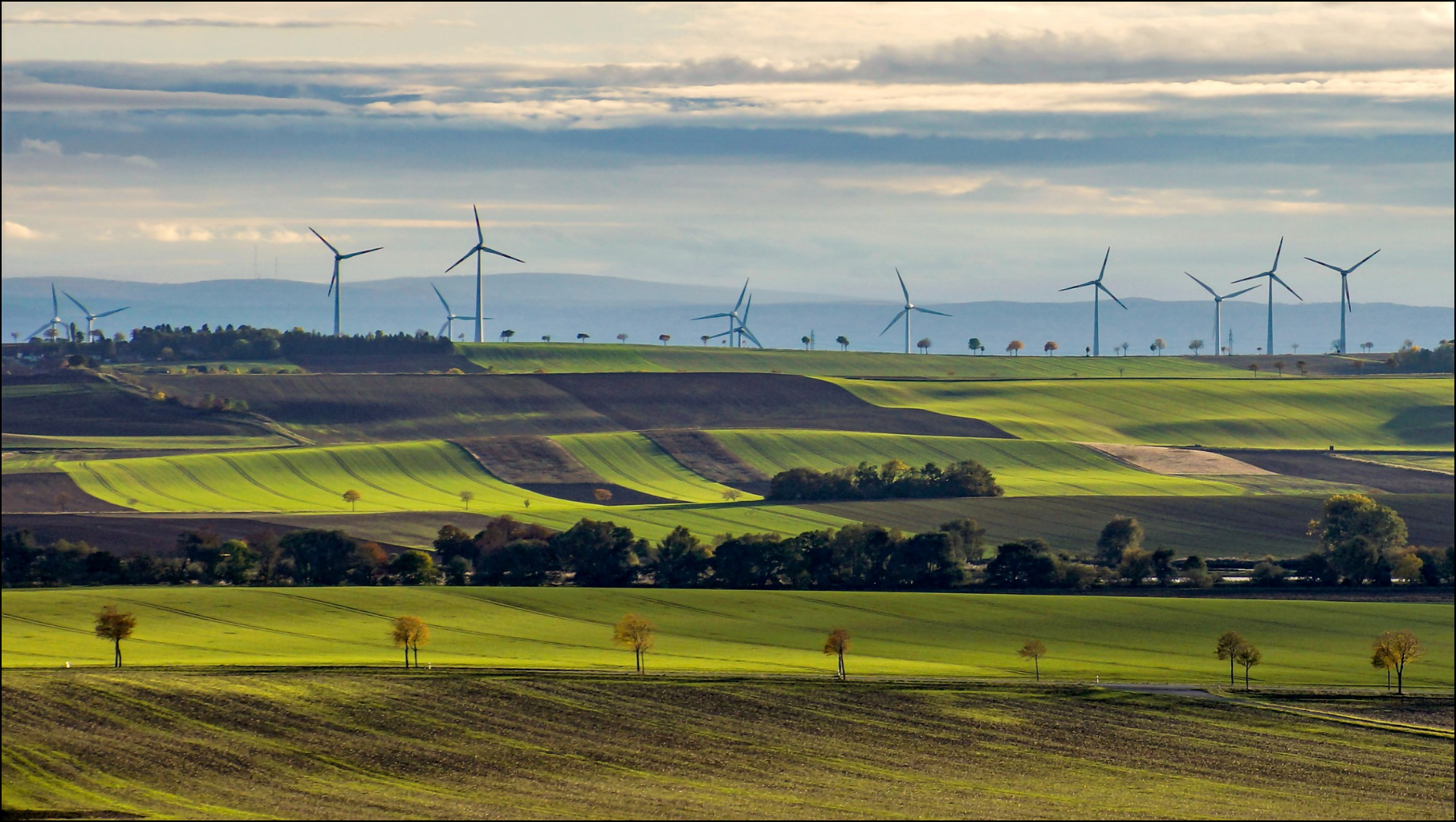
“How sustainable is digitalization? What contribution can modern technologies make to environmental protection?” These and other thought-provoking questions, published in IT-Business, were addressed by Prof. Dr. Dr. Dr. h.c. Radermacher during the FIT Congress 2021.
The focus lies on the intersection of technology and sustainability. According to Prof. Radermacher, digitalization has so far mainly had negative effects on the environment because it has accelerated globalization. However, it could also help encourage people to adopt more sustainable behaviors.
Technologies, he emphasizes, could be key to creating a climate-neutral energy system—something humanity urgently needs in order to reconcile environmental and climate protection with prosperity. Changes in human behavior, he notes, tend to follow the introduction of new technical solutions rather than precede them.
https://www.fawn-ulm.de/wp-content/uploads/2021/11/Windmuehle-Felder.png10241814FAW/nhttps://www.fawn-ulm.de/wp-content/uploads/2017/10/Logo_oben-300x121.pngFAW/n2021-11-10 15:24:002025-10-17 15:28:33Technology as a Key to Sustainability
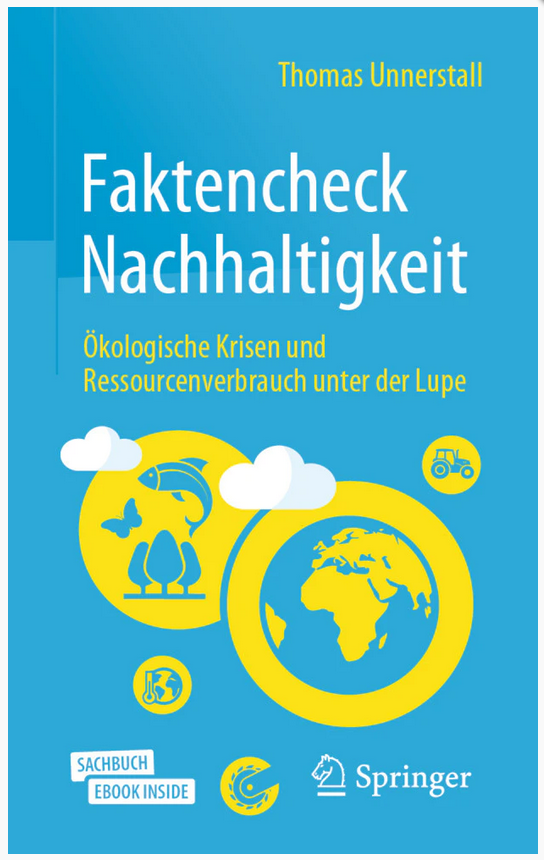
“Ecological Crises and Resource Consumption Under the Microscope” – this is the subtitle of Thomas Unnerstall’s book, and it precisely describes what he delivers in his richly illustrated work containing over 70 figures. He examines individual indicators such as biodiversity, species extinction, deforestation, and plastic waste in the oceans, weighing them against each other. His goal is neither to downplay nor to dramatize the current situation, but rather to present a comprehensive picture. From the perspective of FAW/n, this holistic view is essential in order to achieve the overarching goal of an eco-social market economy.
Dr. Thomas Unnerstall is an international consultant and author. After earning his PhD in physics, he spent several years working at the Ministry of the Environment in Baden-Württemberg before holding senior positions in the energy sector for more than two decades.
Readers interested in sustainability will find plenty of thought-provoking insights in this book. More detailed information can be found here.
https://www.fawn-ulm.de/wp-content/uploads/2021/02/glasses-1052010_1920-e1612951274100.jpg10751920FAW/nhttps://www.fawn-ulm.de/wp-content/uploads/2017/10/Logo_oben-300x121.pngFAW/n2021-08-02 15:46:002025-10-17 15:50:34Book Recommendation: “Fact Check Sustainability” by Thomas Unnerstall
To mark the 100th anniversary of Soroptimist International, the service organization of professional women is placing the UN Sustainable Development Goals (SDGs) at the center of its activities. The anniversary campaign, “Plant Trees”, which aims to plant trees and promote global tree sponsorships, ties back to the organization’s very first project. In 1921, the founders worked to protect centuries-old redwood trees.
Today, Soroptimist International has around 70,000 members in more than 100 countries. The organization’s core areas of focus include human rights, gender equality, peaceful coexistence, and environmental protection. Reflecting these values, Dr. Renate Tewaag, President of Soroptimist International Germany, emphasized during a press conference: “The pandemic and the climate crisis are a wake-up call to persistently and collectively preserve livable prospects for future generations.”
To actively contribute to international climate protection, several SI clubs are already supporting the Alliance for Development and Climate. Prof. Herlyn, senior researcher at FAW/n and member of the SI Club Meerbusch, has long advocated for this step within the organization. In the previous year, the Meerbusch club became the first SI club in Germany to achieve climate neutrality through development-promoting climate projects in Myanmar. In a recently published issue of the Soroptimist International Germany bulletin, Prof. Herlyn authored an article highlighting Soroptimist International’s commitment to sustainability and its fight against climate change.
https://www.fawn-ulm.de/wp-content/uploads/2021/07/Logo-Soroptimist.png10201810FAW/nhttps://www.fawn-ulm.de/wp-content/uploads/2017/10/Logo_oben-300x121.pngFAW/n2021-07-08 11:46:002025-10-20 11:51:02Soroptimists Take a Stand for Sustainable Development
A worldwide eco-social market economy is a goal that Prof. Radermacher and FAW/n have long supported. In the interview, the professor explains exactly what he means by this and why there does not have to be a conflict between the market and sustainability. He emphasizes that only a global approach can lead to the desired results. The established system must be “overcome” so that capitalism does not operate at the expense of the environment, nature, and poorer countries. To achieve this, “one must understand the world as a community,” says Radermacher. Professor Radermacher also outlines both the failures and successes of recent years, highlighting the crucial role played by the private sector.
The full interview on these topics, as well as on overcoming the COVID-19 crisis as a gateway to sustainable growth, can be found here.
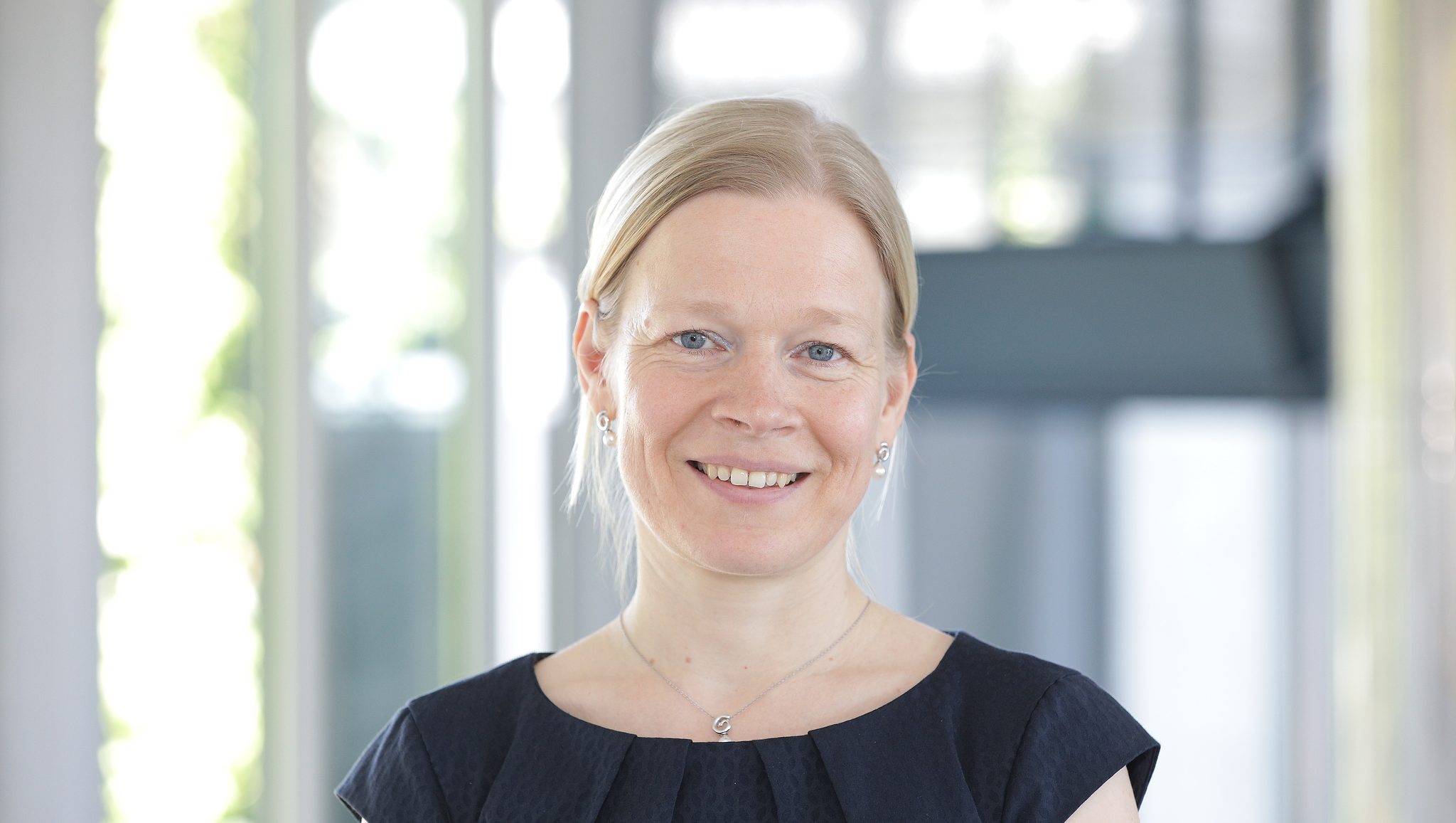
New Podcast: At the end of January 2021, Prof. Dr. Estelle Herlyn met with IUFE Managing Director Florian Leregger (Austria) for the SDG Sustainability Breakfast.
Their conversation focused on the 2030 Agenda as a “magical polygon of sustainability” and touched on topics such as climate protection, development, technology, and digitalization. Estelle Herlyn also explained her personal motivation for engaging in sustainability efforts and discussed the Alliance for Development and Climate.
Prof. Dr. Estelle Herlyn has been working as a freelance researcher for the Research Institute for Applied Knowledge Processing (FAW/n) since 2012. In this role, she is particularly responsible for research projects conducted in cooperation with politics and business.
https://www.fawn-ulm.de/wp-content/uploads/2020/03/TS2_2542-1-e1613571381922.jpg11572048FAW/nhttps://www.fawn-ulm.de/wp-content/uploads/2017/10/Logo_oben-300x121.pngFAW/n2021-02-04 11:53:002025-10-21 11:56:59Prof. Herlyn in the SDG Sustainability Breakfast Podcast
Prof. Radermacher contributed a foreword to the 2019 Sustainability Report magazine of the Nassauische Heimstätte corporate group. Under the motto “more drive to take action,” he highlighted the themes of housing and the Alliance for Development and Climate.
Housing is a fundamental human need. Nevertheless, we must not overlook the impact of the building sector on the climate. From inadequate insulation to cement production, global CO₂ emissions must be drastically reduced if we are to achieve the climate goals set in Paris.
According to Prof. Radermacher, the most effective solutions are global in nature. This is why the Nassauische Heimstätte | Wohnstadt corporate group is a member of the Alliance for Development and Climate. Through this membership, the company temporarily offsets its CO₂ emissions – for example, by investing in a project in Nicaragua. You can learn more about this initiative here.
Das vollständige Vorwort von Prof. Radermacher finden Sie hier auf Seite 107. The full foreword by Prof. Radermacher can be found on page 107 of the report.
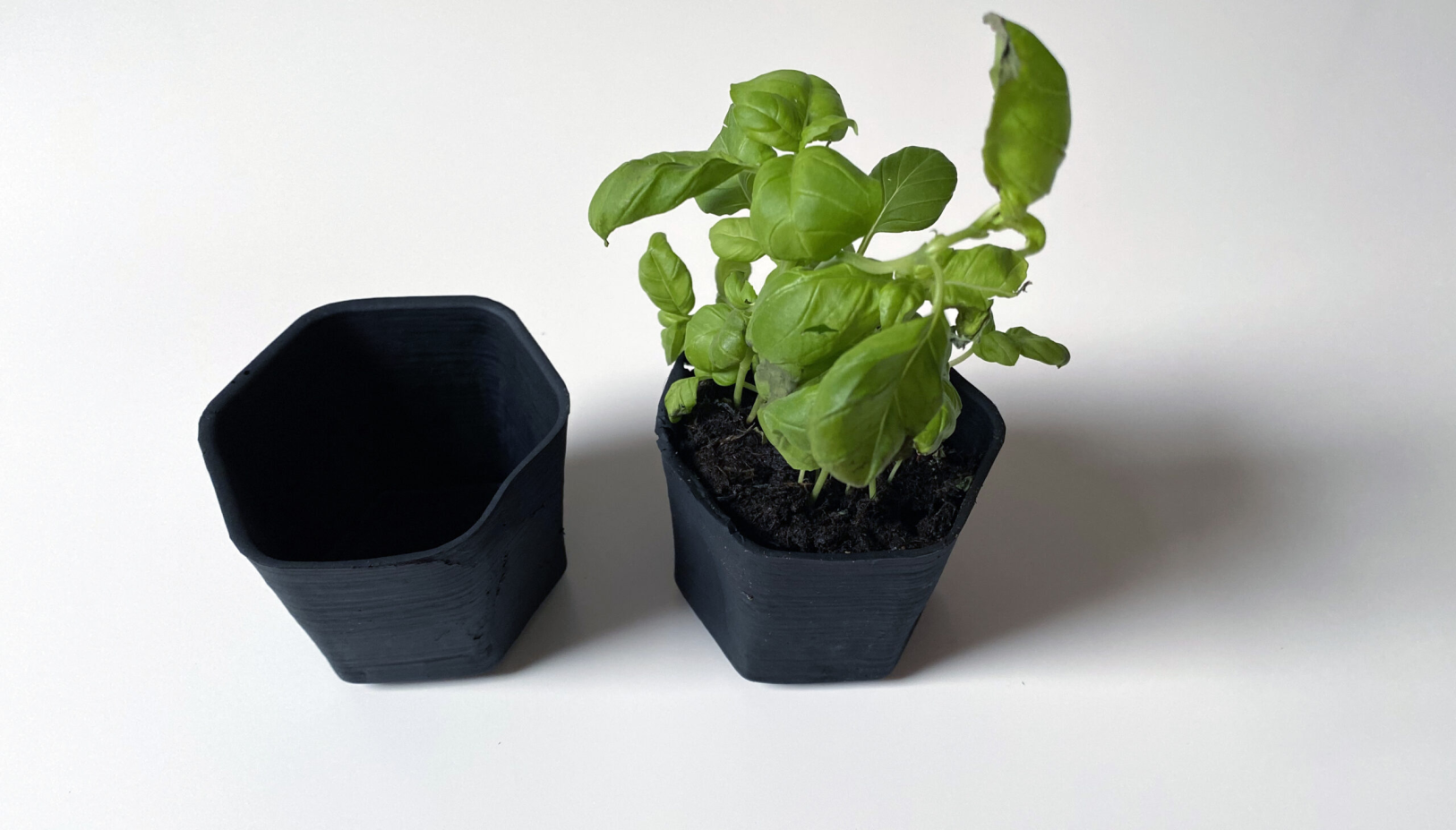
The use of biochar for the active reduction of greenhouse gases is at the heart of carbonauten GmbH’s work. Since its founding in 2017, this start-up has been developing innovative and sustainable products based on biochar, produced through the pyrolysis (carbonization) of biomass. According to carbonauten, in December 2019, under the brand name carbonauten OCM – Organic Carbon Materials, they introduced a conventionally injection-molded bowl made of biochar: “This patented material family could replace many petroleum-based plastics and building materials in the future. After use, products made from carbonauten OCM are either recycled or shredded and incorporated into the soil“. Incorporating biochar into soil acts as a CO₂-storing super fertilizer. Studies on Terra Preta – the fertile black soil created through human activity in South America – confirm this effect. Biochar therefore plays a key role in combating climate change by enabling negative emissions: plants absorb CO₂ during growth and convert it into biomass. Excess biomass (e.g., plant residues, cocoa or coconut shells) is converted into biochar through pyrolysis and added to the soil, effectively storing CO₂ underground.
Additionally, soil fertility improves because microorganisms can build humus more efficiently with the help of biochar. On degraded soils, biochar can help restore agricultural productivity – representing a major opportunity for promoting sustainable development, especially in non-industrialized countries.
At present, carbonauten is conducting a test with a German automobile manufacturer in which 30% of the plastic polypropylene (PP) is replaced by the company’s biochar. The product’s impact on climate change, measured as its Greenhouse Warming Potential (GWP), is 2.67 kg CO₂ equivalent per kilogram of conventional PP. With 30% biochar, this value drops by over 3 kg CO₂ – to –0.47 kg CO₂!
Further positive side effects include the natural black coloration of the material, eliminating the need for conventional industrial carbon black, and the renewable thermal energy generated continuously (24/7) in significant quantities during biochar production.
About carbonauten GmbH
carbonauten GmbH was founded in August 2017 by Torsten Becker and Christoph Hiemer in Giengen an der Brenz, Germany. The company’s goal is the active reduction and permanent storage of greenhouse gases. Woody biomass residues are carbonized through pyrolysis into biochar, while the surplus renewable energy generated is used as electricity or heat. From these biochars, carbonauten produces materials for the forestry and agricultural sectors, as well as the food, packaging, technical, and construction industries, in addition to architecture and design. In the coming years, the company plans to establish dozens of decentralized, highly efficient production sites worldwide, capable of producing hundreds of thousands of tons of specified biochar annually.
https://www.fawn-ulm.de/wp-content/uploads/2021/07/Pflanzentopf_Basilikum.png9271626FAW/nhttps://www.fawn-ulm.de/wp-content/uploads/2017/10/Logo_oben-300x121.pngFAW/n2020-03-06 16:26:002025-10-23 16:32:09Biomaterials Against Climate Change
Book: “Voluntary Climate Neutrality of the Private Sector – Key to Achieving the 2°C Target”
Combating climate change is one of the major challenges for international politics. It is about far more than just an ecological issue. It concerns the protection of prosperity and freedom, and potentially even matters of war and peace. From our perspective at the Senate of Economy, it has always been clear that climate policy must overcome traditional frameworks of thinking. We need international solutions. In addition to political action, we must activate the private sector – especially the wealthy segment of it – and alongside all efforts to avoid and reduce greenhouse gas emissions, particularly CO2, we must also remove it from the atmosphere in the form of so-called negative emissions.
Research Project: “A Better Design of Globalization: Action Potentials from a Development Policy Perspective”
The project comprises two sub-projects: “Value Chains and Sustainability – Opportunities and Limits under WTO and EU Law”and “Implementation of the Sustainable Development Goals 2015-2030 – Requirements for Global Governance and Implementation Possibilities”.
https://www.fawn-ulm.de/wp-content/uploads/2021/07/books.png9271626FAW/nhttps://www.fawn-ulm.de/wp-content/uploads/2017/10/Logo_oben-300x121.pngFAW/n2017-10-25 13:48:002025-10-31 14:52:05Sustainable Development
Mobilization of an average of USD 100 billion per year additionally from 2008–2015 for development cooperation.
Fair mechanisms for raising the required funds. The Global Marshall Plan Initiative supports the targeted 0.7 percent funding level for development cooperation based on national budgets.
Gradual realization of a worldwide eco-social market economy and overcoming global market fundamentalism through the establishment of a better regulatory framework for the world economy.
Preconditions for achieving a reasonable regulatory framework include fair and cooperative partnerships at all levels, adequate financial flows, promotion of good governance, combating corruption, and coordinated, grassroots-oriented use of funds to contribute to self-directed development.
The Global Marshall Plan provides a framework for achieving a balanced future. Growing support for this approach in politics, business, and civil society gives hope, but the path ahead remains long and arduous. Success is far from guaranteed.
Key Points for a Marshall Plan with Africa (Draft)
More than ever, our future – and that of our children and grandchildren – is linked to the future of our neighboring continent, Africa. By 2050, Africa’s population will double, creating global challenges that we must already address. These include, for example, the core question of how to create 20 million jobs per year, ensure food security for people in Africa, and establish sustainable energy supply – without further burdening the climate or depleting environmental resources. [Read more and download]
Migration, Sustainability, and a Marshall Plan with Africa
Memorandum for the German Federal Government
The Club of Rome and the Senate of Economy have submitted the memorandum “Migration, Sustainability, and a Marshall Plan with Africa” to the German Federal Government. Many authors contributed to this work. The results are available in both a short and long version. Some contributions were condensed into shorter versions for space reasons in the memorandum. The longer texts are included in a separate material volume. [Read more and download]
https://www.fawn-ulm.de/wp-content/uploads/2021/05/Global-Marshall-Plan.png7091200FAW/nhttps://www.fawn-ulm.de/wp-content/uploads/2017/10/Logo_oben-300x121.pngFAW/n2017-10-25 12:27:002025-10-31 15:02:25Marshall Plan with Africa
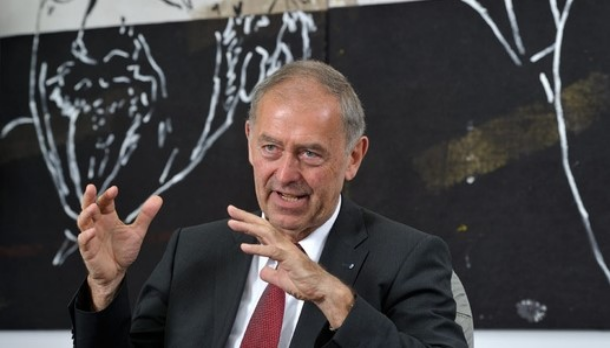
With a lecture on the topic “Globalization, Sustainability, Future: Can We Still Be Saved?”, mathematician, economist, and sustainability expert Prof. Dr. Dr. Franz Josef Radermacher enriched the recent general assembly of Pax-Bank. In an interview with Tom Veltmann, sustainability and brand management expert at Pax-Bank, Professor Radermacher shares his views on the world of tomorrow – and the role banks can play in it.
https://www.fawn-ulm.de/wp-content/uploads/2021/07/FJR.png348610FAW/nhttps://www.fawn-ulm.de/wp-content/uploads/2017/10/Logo_oben-300x121.pngFAW/n2017-10-19 15:11:002025-10-31 15:13:50IInterview: “We Need Enlightenment”
Cookie-Zustimmung verwalten
We use a few cookies to give you the best possible online experience.
Funktional
Always active
Die technische Speicherung oder der Zugang ist unbedingt erforderlich für den rechtmäßigen Zweck, die Nutzung eines bestimmten Dienstes zu ermöglichen, der vom Teilnehmer oder Nutzer ausdrücklich gewünscht wird, oder für den alleinigen Zweck, die Übertragung einer Nachricht über ein elektronisches Kommunikationsnetz durchzuführen.
Vorlieben
Die technische Speicherung oder der Zugriff ist für den rechtmäßigen Zweck der Speicherung von Präferenzen erforderlich, die nicht vom Abonnenten oder Benutzer angefordert wurden.
Statistiken
Die technische Speicherung oder der Zugriff, der ausschließlich zu statistischen Zwecken erfolgt.Die technische Speicherung oder der Zugriff, der ausschließlich zu anonymen statistischen Zwecken verwendet wird. Ohne eine Vorladung, die freiwillige Zustimmung deines Internetdienstanbieters oder zusätzliche Aufzeichnungen von Dritten können die zu diesem Zweck gespeicherten oder abgerufenen Informationen allein in der Regel nicht dazu verwendet werden, dich zu identifizieren.
Marketing
Die technische Speicherung oder der Zugriff ist erforderlich, um Nutzerprofile zu erstellen, um Werbung zu versenden oder um den Nutzer auf einer Website oder über mehrere Websites hinweg zu ähnlichen Marketingzwecken zu verfolgen.