Posts

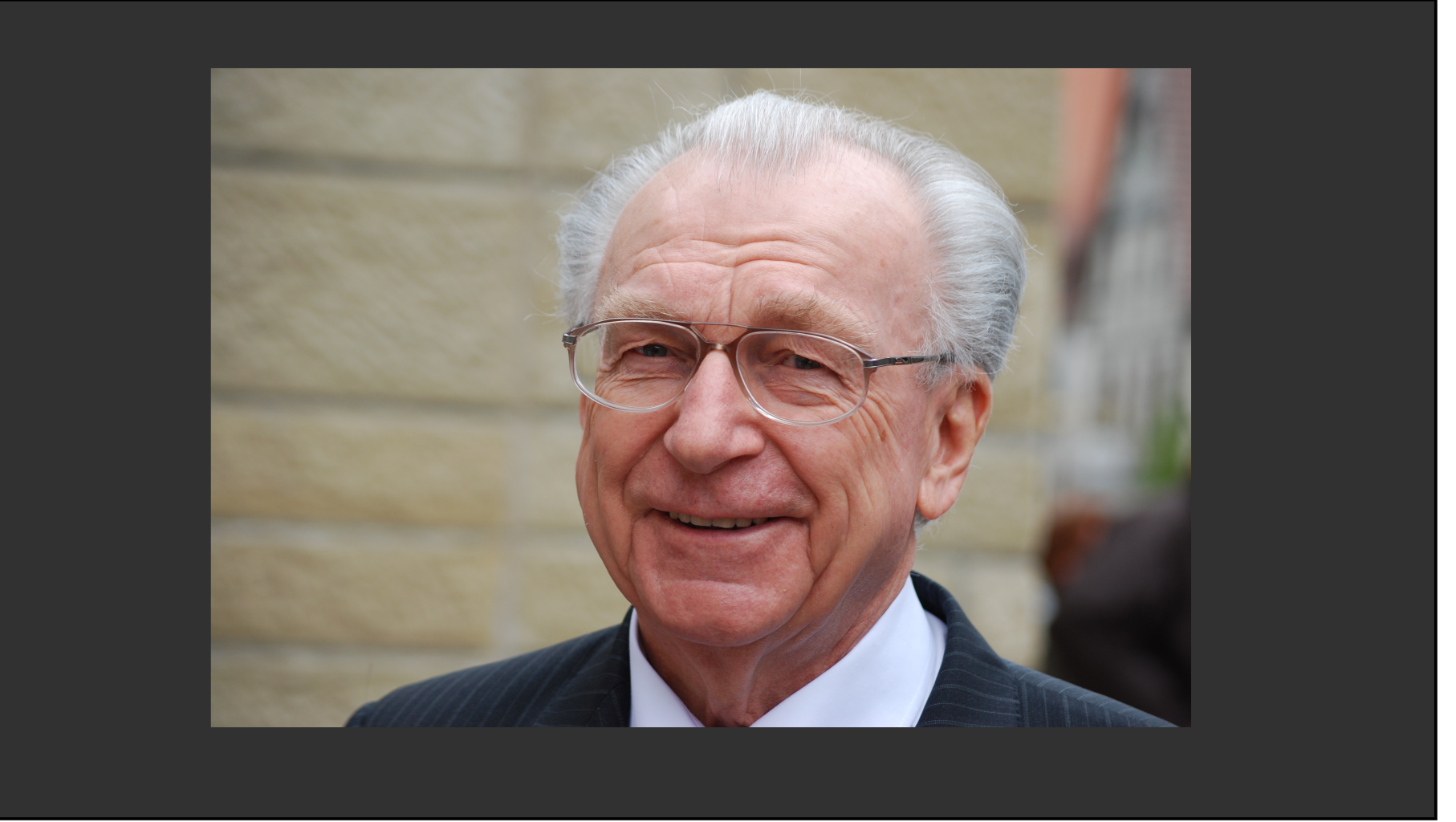
FAW/n Mourns the Passing of Lothar Späth

FAW/n has received with deep sadness the news of the death of former Minister President of Baden-Württemberg, Lothar Späth.

As Minister President, Lothar Späth made a significant contribution not only to advancing our state and establishing the Science City of Ulm, but also, in this context, to founding the then Research Institute for Applied Knowledge Processing (FAW) – the first institute for artificial intelligence in Germany – together with partners from industry and the University of Ulm. After his transition from politics to business, Lothar Späth maintained close ties with the FAW, especially with the institute’s director, and later also with FAW/n. Companies from his sphere of influence, such as Jenoptik and m + w Zander, were at times sponsors of the FAW. We will preserve the memory of Lothar Späth with deep respect and gratitude.

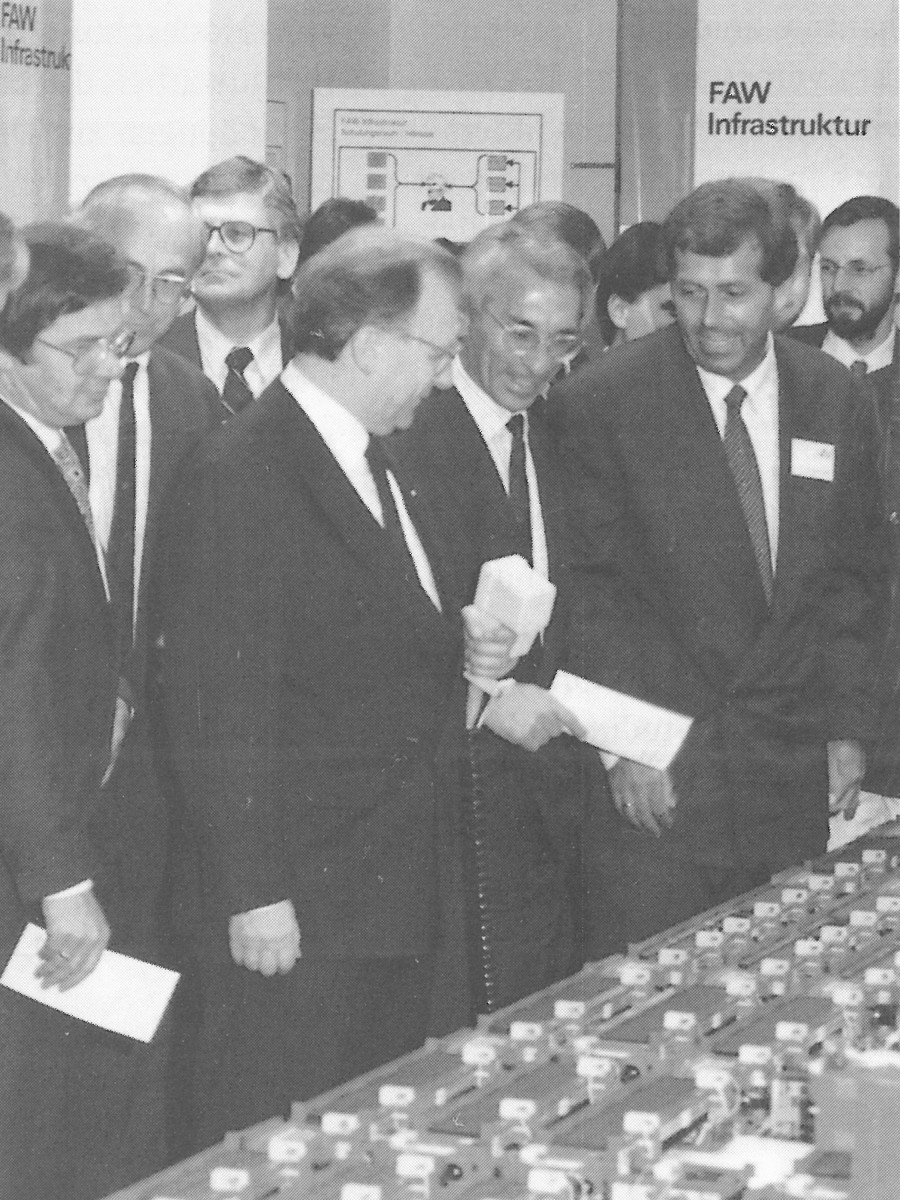
Photo: Inauguration of the FAW–fischertechnik production facility in 1990. From left to right: Klaus Fischer (fischer Group of Companies), Dr. Eberhard Leibing (Ministry of Economic Affairs, Stuttgart; then Chairman of the Board of Trustees), Hanns Albrecht Maute (Ministry of Economic Affairs, Stuttgart), Lothar Späth, Helmut Xander (LEG, builder of the FAW), Institute Director Prof. F. J. Radermacher, Prof. Werner Mellis (then Daimler Benz AG, Ulm)
https://www.fawn-ulm.de/wp-content/uploads/2016/03/Spaeth-CIM-Minifabrik-e1458652845746.jpg

Image source: Wikimedia

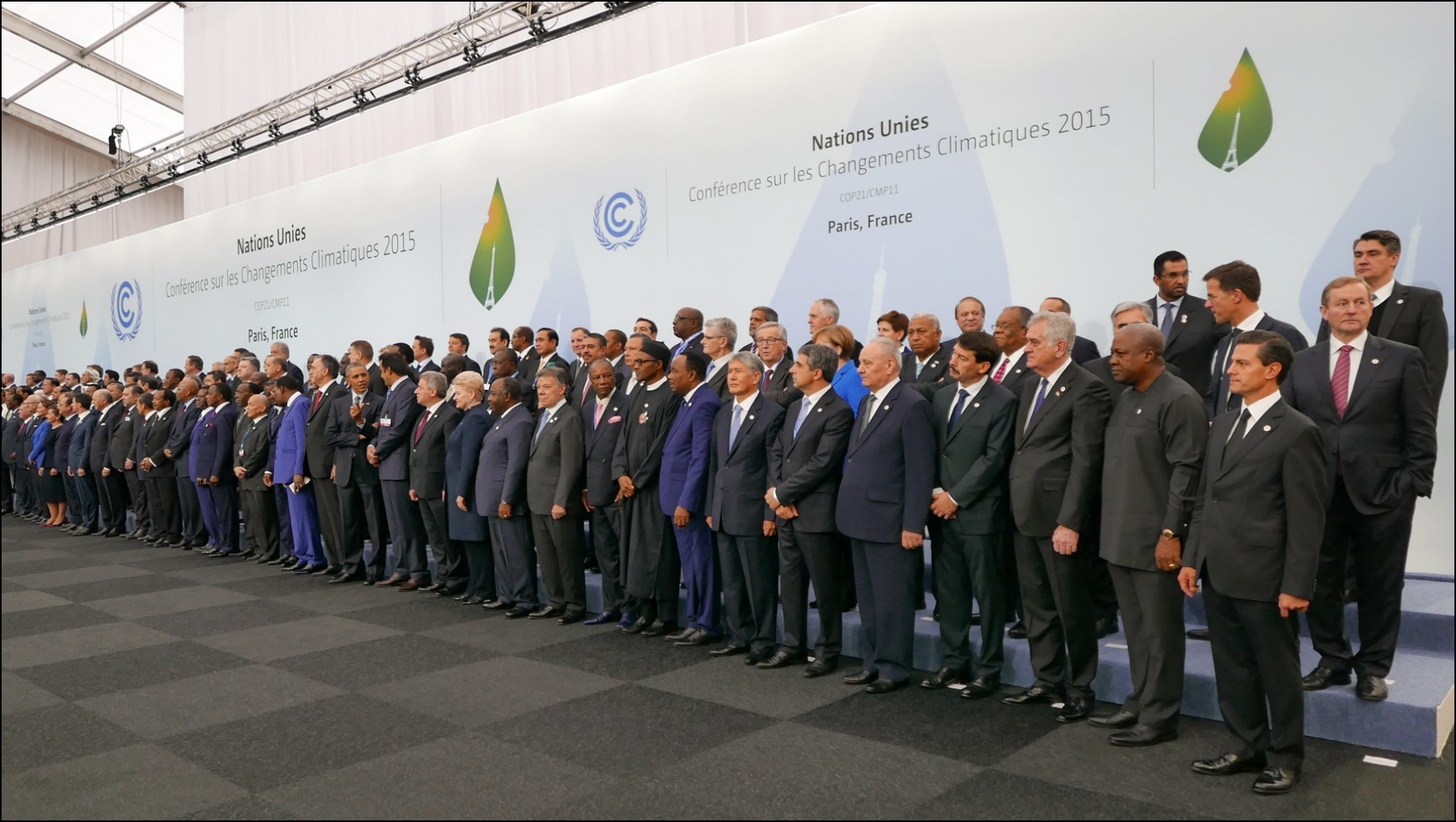
UN Climate Conference in Paris 2015: Press Release

Prof. Franz Josef Radermacher, President of the Senate of Economy International, welcomes the results of the Paris Climate Summit. What was achieved there is a major step forward. Of course, many had hoped for more – but that was not realistic. What has now been achieved represents half the battle on the path toward meeting the 2°C target – and perhaps it may even be possible to stay below it. The current outcome opens up an opportunity for the private sector to deliver the other half. Voluntary climate neutrality and corresponding measures by companies, organizations, and individuals are the key. The World Forest Initiative of the Senate illustrates what now needs to be done.

https://www.fawn-ulm.de/wp-content/uploads/2015/12/Delegates_to_the_COP21-300x200.jpg

In a sense, politics has now closed the gap that previously prevented the private sector from truly addressing the issue of climate change. We now have a kind of upper limit for future CO₂ emissions, and that is good news, because it means we can now work toward a defined target. We expect that this agreement will reduce cumulative global CO₂ emissions by around 500 billion tons by 2050 compared to the levels that would have been emitted without the agreement. This is not enough to fully meet the CO₂ target, but it is still significant – roughly half of the total task ahead. And now that we have an upper limit, we know what still needs to be done: approximately another 500 billion tons by 2050. The private sector can achieve this through voluntary programs, provided that political actors support this approach. In particular, the private sector can – and will – voluntarily invest, beyond legal obligations, to retire emission rights and/or to tighten the annual amounts of greenhouse gas emissions available to countries and governments through contractual arrangements or other mechanisms.

The complete press release can be found here.

Image source: Wikimedia

FAW/n Press Release – New Role for Dr. Dirk Solte

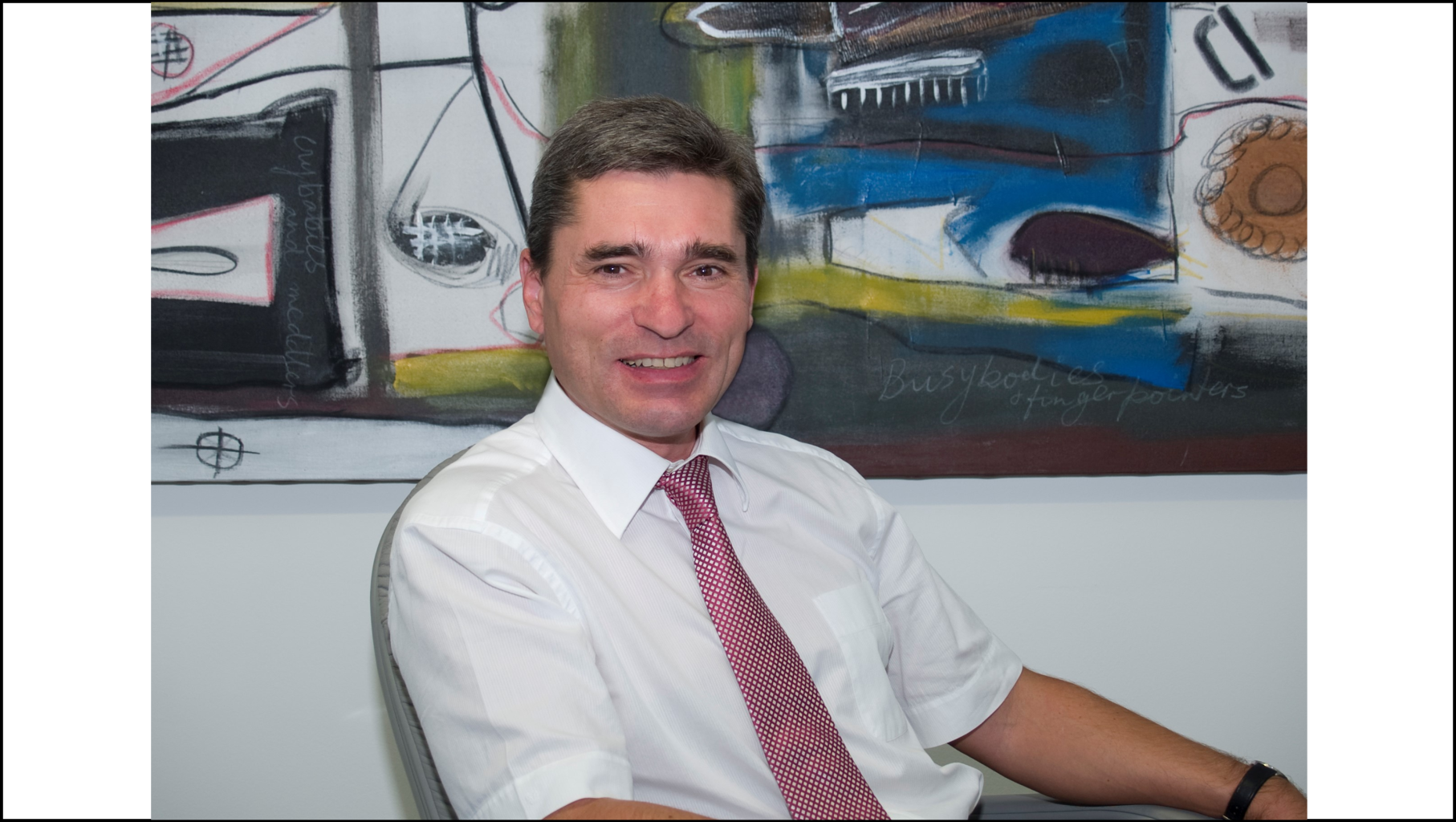
Dr. Dirk Solte Appointed Managing Director of the Publishing House Versicherungswirtschaft

The former Deputy Chairman of the Board of FAW/n, Ulm, will assume leadership of the Karlsruhe-based publishing company Verlag Versicherungswirtschaft GmbH on October 1, 2015. The company’s sole shareholder is the association Verein Versicherungswirtschaft e.V. Since 1946, the journal Versicherungswirtschaft has accompanied the insurance sector as a recognized forum for both practitioners and academics.

Over the past ten years, Dirk Solte has distinguished himself in the fields of future studies, the global financial system, and sustainability through the publication of books and educational materials. As one of the founding department heads at FAW’s predecessor institute, he also developed extensive expertise in modern information and communication technologies, multimedia, and “management of change.” In Ulm, Neu-Ulm, and the surrounding region, the renowned expert and sought-after speaker also served for several years as Telematics Commissioner. Dr. Solte’s connection with the Research Institute for Applied Knowledge Processing (FAW/n) will continue as he takes on his new professional role.