
Posts

Prof. Herlyn: “The World Needs Many More Companies Like ALDI SÜD”

Recently, the media reported that four companies, including ALDI SÜD, had allegedly used the term “climate neutrality” in a misleading way. These reports are based on a complaint filed by the German Centre for Protection against Unfair Competition (Wettbewerbszentrale).

Prof. Dr. Estelle Herlyn addresses this issue in her article in UmweltDialog and clarifies what climate neutrality actually means: “CO₂ emissions that are generated can be offset or compensated by taking or enabling activities that, for example, remove CO₂ from the atmosphere through reforestation (negative emissions) or avoid CO₂ emissions by promoting renewable energy.”

She considers it incomprehensible that the Competition Center portrays achieving climate neutrality through CO₂ compensation as misleading. ALDI SÜD supports numerous international projects with positive climate impact and recognizes that this is the only way to make global sustainable development achievable. The company is also one of over 1,000 supporters of the Alliance for Development and Climate, whose projects demonstrably contribute to international climate protection

Den gesamten Beitrag von Prof. Herlyn finden Sie hier auf deutsch und auf englisch. You can find the full article by Prof. Herlyn here in German and English.

Image source: Alexas_Fotos (Pixabay)
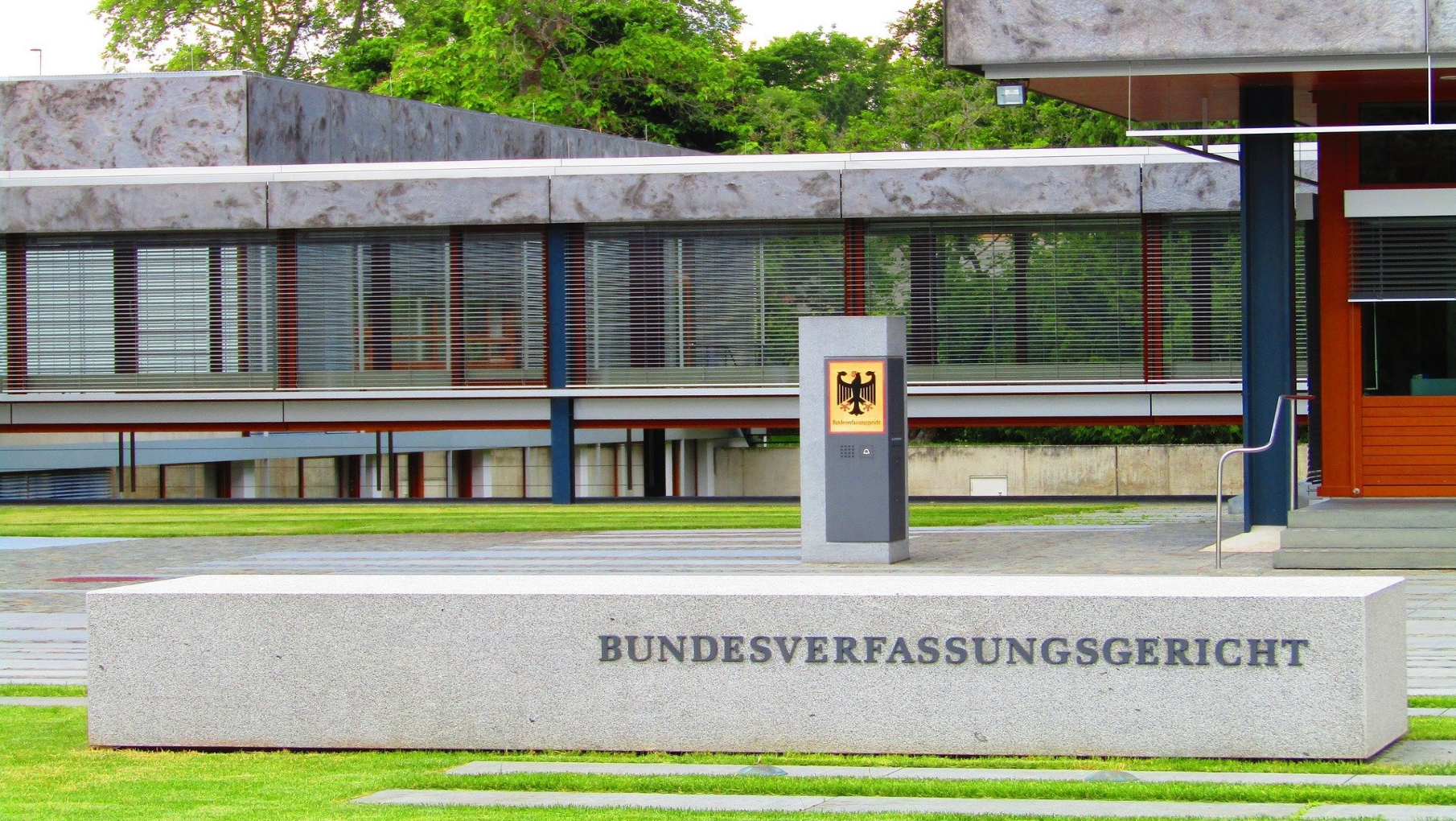
Commentary on the Federal Constitutional Court Ruling on the Federal Climate Protection Act

The current debate surrounding climate issues has now reached the Federal Constitutional Court. The focus of the ruling, handed down on April 29, is on questions of intergenerational justice: To what extent could the previous approach to climate protection lead to future restrictions on freedoms and rights for the younger generation, simply because the older generation today is unwilling to contribute sufficiently to climate protection?

The Federal Constitutional Court declared the Federal Government’s Climate Protection Act partially unconstitutional, primarily because it lacks intermediate targets for the period after 2030. The climate protection targets set for 2030, however, were deemed unproblematic. The law is now to be revised by the end of 2022.

Prof. Dr. Dr. Dr. h.c. Radermacher offers a critical commentary on the ruling: According to him, the Court’s position is not convincing from a logical or scientific standpoint, as it ignores important aspects of the climate debate. This includes the fact that achieving an average temperature rise of only 1.5°C is not solely within the power of German policy but is a global goal that requires global action. Moreover, it is questionable whether Germany’s existing climate protection measures are even correct. The professor cites examples of how CO₂ emissions are managed in China and Nigeria, arguing that a purely national approach to the budget cannot be effective.

The ruling has been “stylized as an epochal event” in the media, which, according to him, it is not. In fact, the judges’ demands of policymakers are relatively modest. What the ruling does imply in terms of consequences, what challenges lie ahead beyond climate issues, and what climate measures would be effective, can be read here.

Image source: Udo Pohlmann (Pixabay)

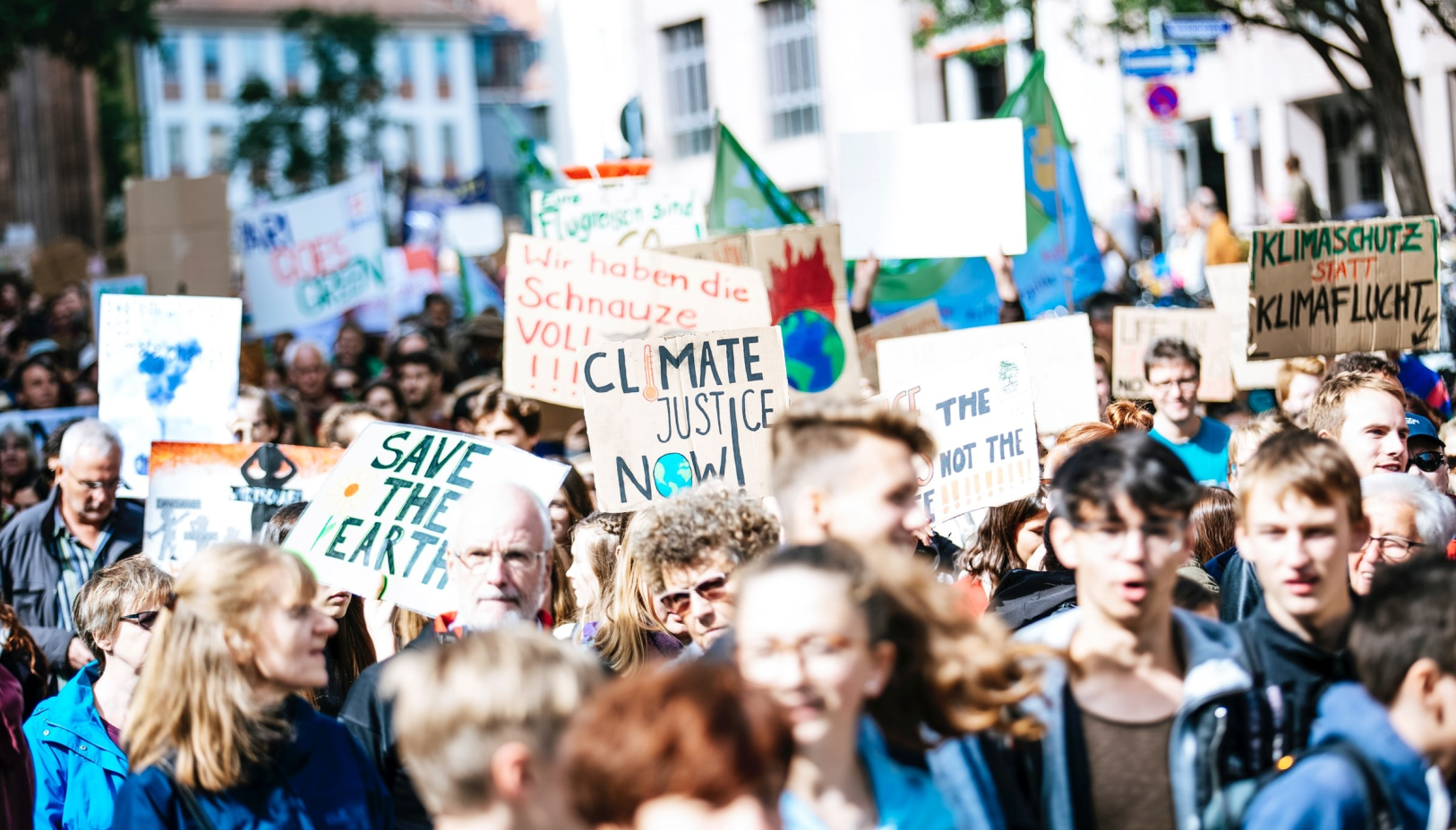
Greta Thunberg: “How dare you?”

Commentary by Prof. Franz Josef Radermacher

Greta Thunberg’s phrase “How dare you?” resonated with many and particularly angered politicians who have long advocated for stronger climate action – from the UN Framework Convention on Climate Change, through the Kyoto Protocol, to the Paris Agreement, and Germany’s Renewable Energy Act. From my perspective, the statement was a deliberate and well-calculated provocation. Substantively, it missed the mark, but that was intentional. Taken literally, it reflects a fundamental misunderstanding of the legal powers of the state representatives gathered in New York. Within their mandates, they have very limited authority to make decisions of real significance. Any bold action would still require ratification – for example, through parliamentary majorities – before it could become legally binding. If politicians were to step beyond these boundaries, they would be taking immense personal and political risks. They could be removed from office or even face legal consequences – including figures such as Chancellor Merkel. In that scenario, one could legitimately ask, “How dare you?” In practice, however, politicians take very few such risks. They operate within their legal powers and political mandates – and in this sense, they are acting responsibly.

Full comment (english)

Image source: Markus Spiske (Unsplash)