
Posts

New Podcast with Prof. Radermacher: Global Energy Solutions for the Climate

In a new episode of Think & Do – the podcast magazine of the Stifterverband – Prof. Franz Josef Radermacher shares his insights on several fundamental issues, including basic rights and the pandemic, climate protection and power, and affordable energy prosperity.

Over the past two years, the pandemic has dominated public discourse. According to Prof. Radermacher, there have been both winners and losers of the crisis, depending largely on an individual’s stage of life and financial situation. “What I missed most throughout the process was freedom,” he summarizes his criticism. He also reflects on the role of science during the pandemic and how public communication was influenced by what people wanted to hear.

Another major topic discussed is the German federal election on September 26, 2021, in which climate protection has played an unprecedented role. Yet, Prof. Radermacher takes a critical view: to truly understand sustainability and climate issues, one must look back to the 1972 World Environmental Conference in Stockholm. That was when an unresolvable tension between wealthy and developing nations first became evident – raising the key question: “Is there a way for people in poorer countries to achieve a decent level of prosperity while we still preserve biodiversity, protect the environment, and maintain a stable climate?”

Later in the podcast, Prof. Radermacher examines Germany’s climate and energy policy, emphasizing the need for international cooperation rather than insisting on producing domestically what could be achieved more efficiently and affordably abroad.

The podcast is divided into 13 thematic segments, which can be listened to individually or as a complete episode. You can access the full podcast and transcript here.

Image source: Free-Photos (Pixabay)
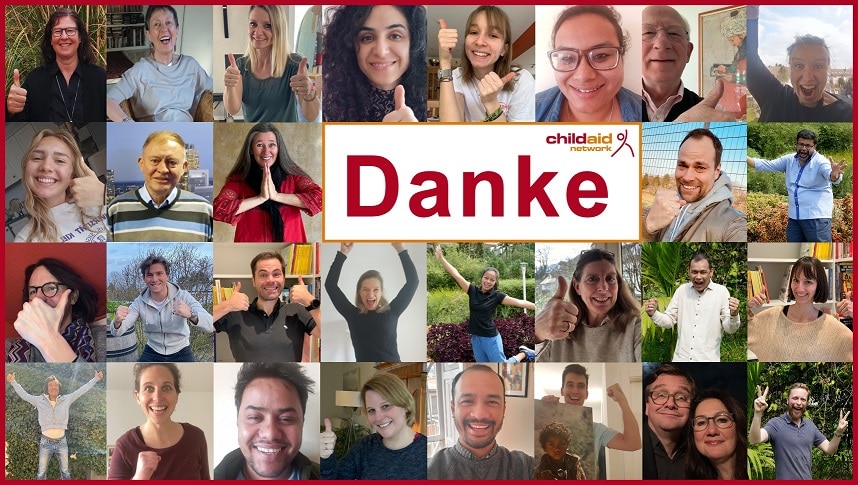
Childaid Network gewinnt den Covid-19 Relief Preis!

Childaid Network, a charitable organization that Prof. Radermacher has been actively supporting for years, has won the Covid-19 Relief Prize from the UBS Optimus Foundation. The prize, endowed with USD 50,000, was awarded to organizations that demonstrated exceptional efforts during the COVID-19 pandemic and successfully supported disadvantaged populations

Childaid Network’s mission is to address gaps in education. While school closures worldwide affect all students, the poorest children are hit the hardest. Without education, they lack the foundation to build a secure future. Moreover, millions of parents have lost their jobs, which has worsened hunger and child labor in many regions.

Childaid Network has already provided food to over 40,000 children to help address these challenges. Last year, the organization also supported 50,000 children in South Asia, ensuring their access to education despite the pandemic. Local volunteers are trained to deliver flexible and creative small-group teaching, among other methods. The prize money will be invested in vocational training for youth, giving them a foundation for an independent future.

During the three-week voting period, Childaid Network, together with FAW/n, successfully mobilized hundreds of partners and supporting organizations, corporate and action partners, as well as thousands of friends and supporters around the world. With this enormous backing, the organization ultimately prevailed over CARE International, a large global humanitarian organization, and Luminos, a small, dynamic U.S.-based charity.

Further Information:

Childaid Network Website

UBS Optimus Foundation Website

Image source: Childaid.net

Article by Prof. Herlyn in the “Rheinische Post” Newspaper

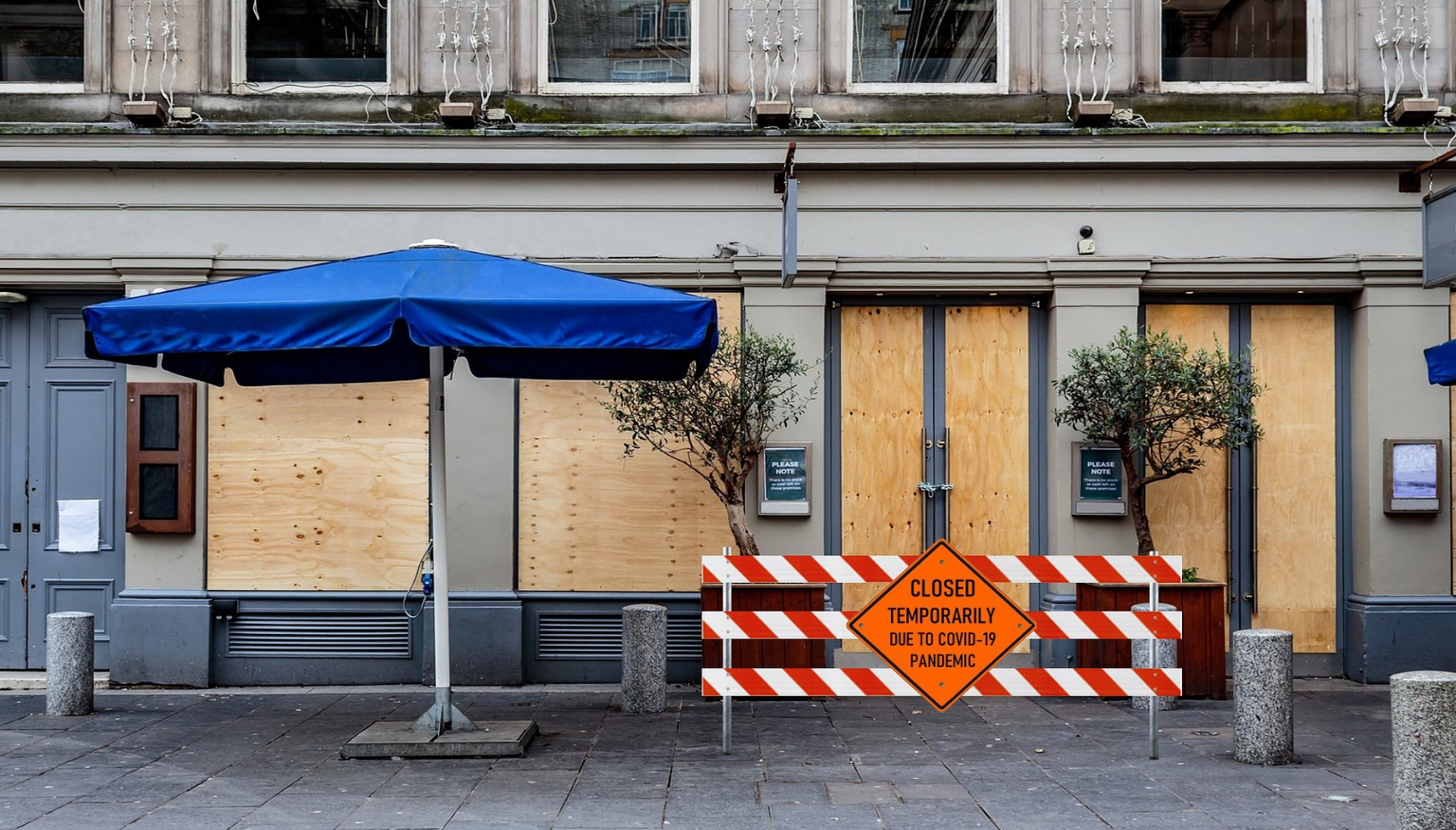
COVID-19 Pandemic Slows Down the Climate Debate

The COVID-19 pandemic has pushed important sustainability goals into the background. Private engagement is now more important than ever. In an article for the Rheinische Post, Prof. Dr. Estelle Herlyn, head of the Competence Center for Sustainable Development at FOM University Düsseldorf and freelance collaborator of FAW/n, discusses the opportunities and risks arising from the current crisis.

Image source: pixabay/MichaelGaida

Interview with Prof. Radermacher in the “Südwest Presse” Newspaper

What environmentalists and climate activists have not achieved, the coronavirus seems to accomplish. The economy is at a standstill, air traffic is halted worldwide, and people are driving significantly less. Is the pandemic saving the climate? Or is it only giving it a brief respite? And most importantly: what happens once the shutdown is lifted? In an interview with the Südwest Presse, Prof. Radermacher discusses the benefits that COVID-19 may have for the climate and the lessons that can be learned for the period after the crisis.

You can download the full interview: “COVID-19 Pandemic Helps the Climate” here.

Image source: pixabay/Queven